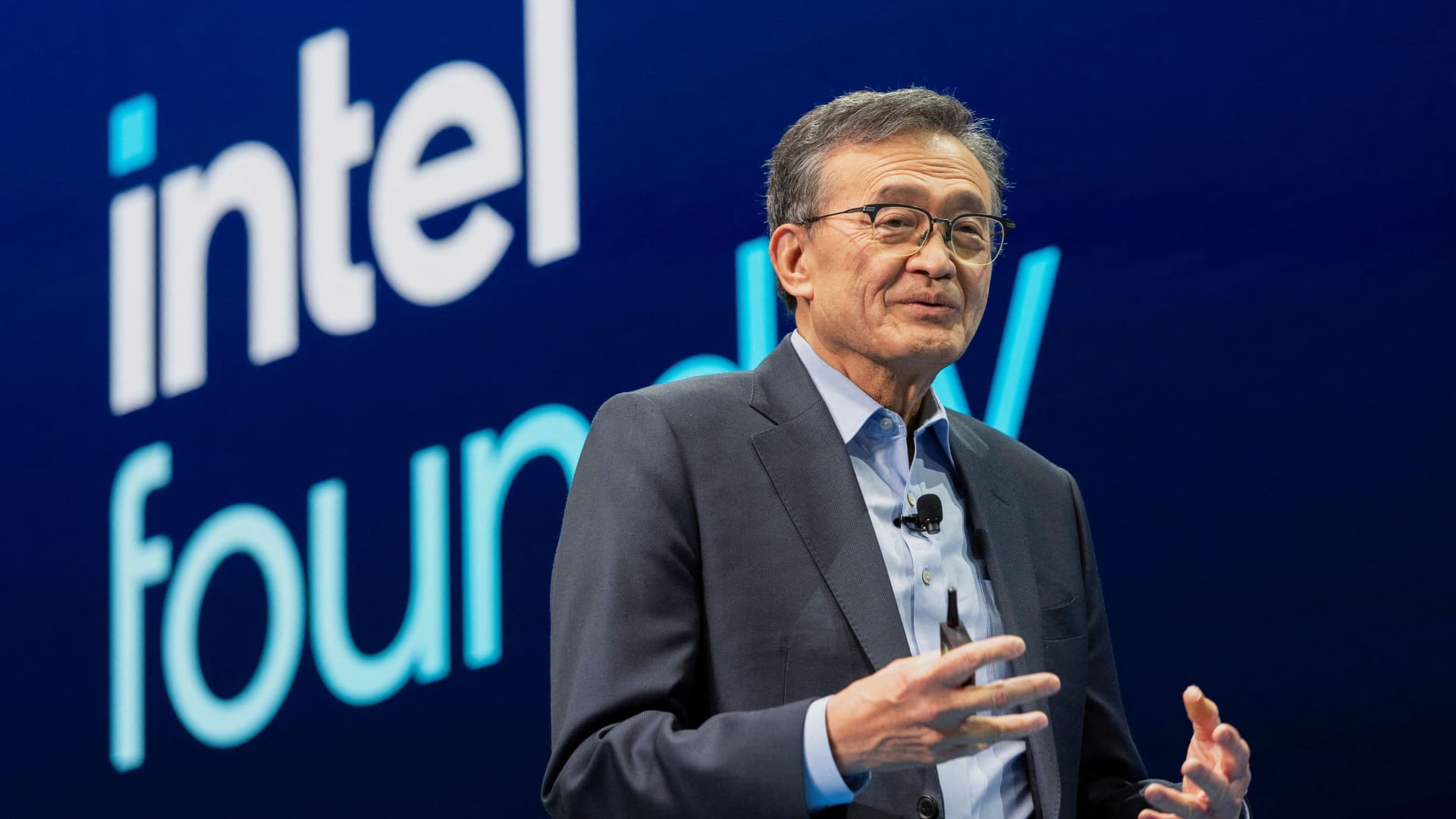
Intel's stock jumped sharply after reports emerged that Apple is in talks to use Intel's chip manufacturing facilities, a deal that would mark a significant shift in how the industry's supply chains are structured.
Right now, only three companies on earth can make the most advanced chips that modern AI systems depend on: Taiwan's TSMC, South Korea's Samsung, and Intel. TSMC dominates this market, and Apple has been one of its biggest customers for years, relying on TSMC to produce the processors inside iPhones, Macs, and iPads.
Why This Deal Would Matter
If Apple were to move even a portion of its chip orders to Intel, it would be a landmark moment for Intel's foundry business, the division that manufactures chips for outside customers rather than just for Intel's own products. Intel has been investing heavily to build this business, but it has struggled to win major clients and has faced persistent questions about whether it can compete with TSMC on yield, speed, and reliability.
Landing Apple as a customer would immediately validate Intel's foundry ambitions in a way that no smaller contract could. Apple is widely considered the most demanding chip customer in the world. Its orders are enormous in volume, its quality requirements are extremely tight, and its design teams push manufacturing processes to their limits. If Intel can make chips for Apple, it signals to other potential customers that the foundry is genuinely competitive.
The Bigger Strategic Picture
The timing connects to a broader geopolitical shift. The United States has been pushing hard to reduce dependence on TSMC, which is based in Taiwan, a source of supply-chain risk given tensions in the region. The CHIPS Act directed tens of billions of dollars toward building advanced semiconductor capacity on American soil, with Intel among the primary beneficiaries. An Apple-Intel deal would directly serve that goal, routing a major portion of global chip demand through a US-based manufacturer.
For Intel, the commercial logic is just as important. Its core business of designing and selling its own processors has been under intense pressure from AMD and Arm-based competitors. The foundry pivot is Intel's strategic bet on a second revenue engine, one that does not depend on winning the processor design race.
The key things to watch now: whether any deal is confirmed and at what scale, which specific chip generations Intel would produce for Apple, and whether this accelerates similar moves by other Apple suppliers to diversify away from TSMC.