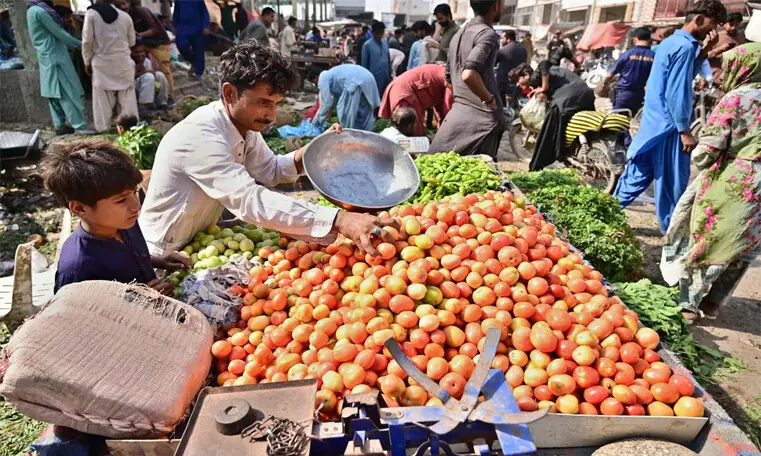
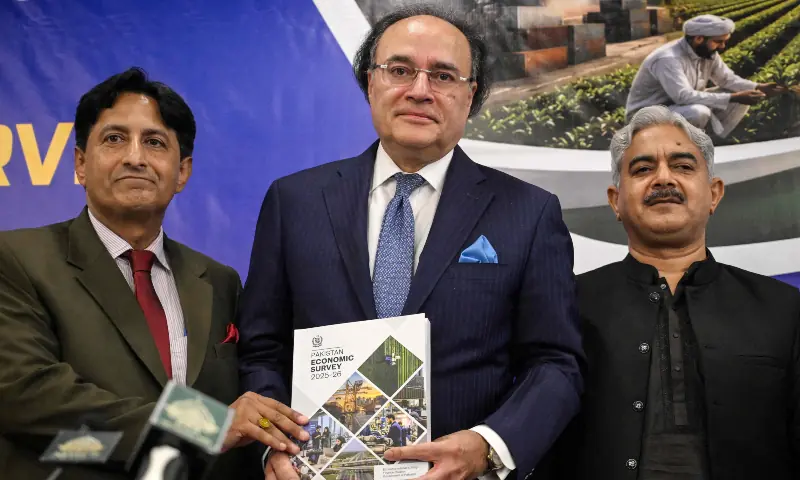
Pakistan's consumer inflation crossed into double digits for the first time in 21 months, with the Consumer Price Index (CPI) rising 10.9pc year-on-year in April 2026, driven by a sharp jump in transport costs and perishable food prices. The last time inflation exceeded 10pc was July 2024, when CPI hit 11.1pc.
Two categories led the April surge. Transport costs rose 15.47pc compared to the previous month, while perishable food prices jumped 15.25pc. Housing, water, electricity, gas, and fuels added another 2.43pc, squeezing household budgets from multiple directions. On a month-on-month basis, overall prices rose 2.48pc in April alone.
Energy supply shock driving the spike
The immediate trigger is a disruption to Pakistan's energy supply chain. Iran's blockage of the Strait of Hormuz, through which most of Pakistan's energy imports pass, has sharply raised fuel and commodity costs. Prime Minister Shehbaz Sharif said the weekly oil import bill has more than doubled to $800 million from $300 million before the US-Israel war began on February 28. That cost feeds directly into fuel prices, transport charges, and eventually food distribution costs nationwide.
Within food, urban price increases were steep across the board month-on-month: tomatoes up 57.1pc, fresh vegetables up 40.67pc, and eggs up 14.38pc. Non-food categories were similarly affected, with motor liquefied hydrocarbons rising 38.34pc, transport services 27.86pc, and motor fuel 18.22pc.
Rate hike draws criticism
The State Bank of Pakistan (SBP) responded by raising its policy rate by 100 basis points to 11.5pc from 10.5pc, the first change since December 2025. The move has drawn immediate pushback from former economic advisor Dr Ashfaq H. Khan, who argues the rate hike is the wrong tool for the wrong problem. He points out that current inflation stems from a supply shock, higher global oil, gas, and commodity prices, not excess domestic demand. Raising interest rates in a supply-driven inflation environment increases production costs, reduces output, and risks pushing the economy toward stagflation, he said. Dr Ashfaq suggested the decision was made to satisfy commitments to the International Monetary Fund rather than on domestic economic logic. The US Federal Reserve, facing similar global supply pressures, held its rate steady.
Non-food inflation hit 13.8pc in urban areas and 13.6pc in rural areas on an annual basis, signalling that price pressure has spread well beyond groceries. Core inflation, which strips out volatile food and energy, stood at 8pc in urban areas and 8.5pc in rural areas, indicating entrenched underlying price pressures that predate the Hormuz disruption.
Urban inflation at 11.11pc slightly outpaced rural inflation at 10.56pc. Between July and April of fiscal year 2025-26, cumulative inflation averaged 6.19pc, up from 4.73pc in the same period last year, and this rise comes despite a high base from last year, making it harder to dismiss as a statistical effect. The government's full-year inflation target is 7pc, which now looks difficult to meet if energy supply constraints persist.
With the Strait of Hormuz still blocked and no resolution in sight, Pakistan's import bill is likely to stay elevated. The key variables to watch are any diplomatic resolution to the Hormuz disruption, SBP's next policy meeting, and whether the government passes on higher energy costs through formal tariff revisions.