Saurabh Mukherjea argues that India's three-decade economic model, built on IT-driven services exports, has run its course and that the country must pivot toward manufacturing exports to sustain growth. The structural shift comes as macro pressures mount: Mukherjea anticipates rising inflation and a depreciating rupee, both of which compress consumer purchasing power and weigh on domestic demand-driven businesses. Lenders face a compounding risk, as expected interest rate hikes would strain borrower balance sheets and tighten credit conditions across the financial sector. On the opportunity side, Mukherjea identifies global supply-chain realignment as the tailwind enabling India's manufacturing export push, with select export-oriented sectors positioned to capture redirected trade flows. For investors, the practical read is a rotation away from consumer-facing and domestic lending plays toward export-linked industrial and manufacturing names. The transition is not without friction: execution depends on policy support, infrastructure build-out, and currency management. Watch for rate decisions from the Reserve Bank of India and any fiscal measures targeting manufacturing competitiveness as leading signals of how fast this pivot can materialize.
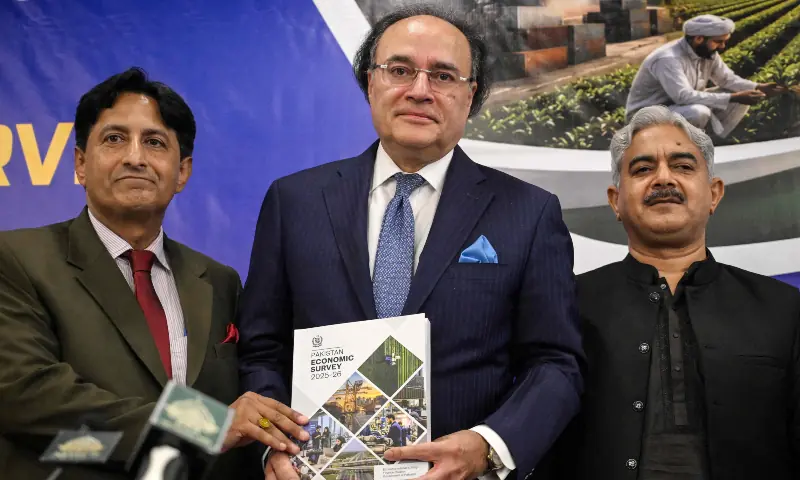
Pakistan's economy grew 3.7 percent in FY2026, its fastest rate in four years, according to the Pakistan Economic Survey presented by Finance Minister Muhammad Aurangzeb. Growth beat last year's 3.18 percent but missed the 4.2 percent target, with floods, regional conflict, and weaker food exports cited as key drags.
The Union government released an additional Rs 1,09,019 crore in tax devolution to states on August 1, 2026, separate from the regular monthly transfer. The lump-sum release aims to accelerate state capital spending in the July-September quarter, with Uttar Pradesh, Bihar, and Madhya Pradesh among the top recipients.
US mortgage rates have risen to a one-year high as markets weigh Federal Reserve rate uncertainty and Middle East conflict-driven inflation fears. Higher rates increase monthly payments for new buyers and are likely to further suppress housing market activity and refinancing.
Pakistan's Sensitive Price Index rose 13.52 percent year on year for the week ending July 2, 2026, marking 45 consecutive weeks of annual gains. Electricity up 49 percent, wheat flour up 68 percent, and LPG up 44 percent year on year are the main drivers.