India is accelerating the adoption of flex-fuel vehicles, which can run on higher ethanol blends, as part of a broader strategy to reduce dependence on imported oil amid volatile global energy markets. The push comes as geopolitical conflicts continue to disrupt oil supply chains and pressure import bills for major consuming nations like India, which ranks among the world's largest crude importers. Flex-fuel technology allows vehicles to operate on varying ratios of petrol and ethanol, giving the fuel mix flexibility without requiring separate vehicle fleets. A wider ethanol blend reduces the volume of crude oil refined into petrol, directly cutting foreign exchange outflows tied to oil imports. For India's automotive sector, fast-tracking flex-fuel integration signals incoming compliance requirements and a potential shift in manufacturing specifications. Investors and operators should watch for regulatory timelines, mandated ethanol blend ratios, and downstream effects on domestic ethanol producers, sugarcane processors, and conventional fuel retailers.
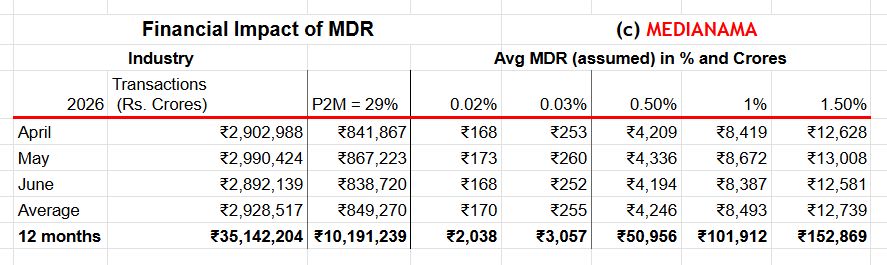
India's government plans to amend the Payment and Settlement Systems Act to restore UPI merchant discount rates, ending the zero-MDR regime in place since January 2020.
India's government has introduced the Taxation and Other Laws (Amendment) Bill, 2026, proposing changes to payments regulation, income tax, and the Finance Act to attract FDI and support Make in India. The Bill's final shape will depend on parliamentary debate and committee review.
The government's Taxation and Other Laws (Amendment) Bill, 2026, proposes to replace the blanket UPI MDR ban with a system allowing the Centre to notify which payment modes stay fee-free.
Prime Minister Narendra Modi inaugurated the Rs 5,000 crore Bhogapuram greenfield airport in Andhra Pradesh, built under a public-private partnership model. He also laid foundation stones for infrastructure projects worth nearly Rs 18,000 crore in the state, signalling a broad investment push for the region.