
Qatar Signals Progress in US-Iran War Talks
Qatar's foreign ministry said mediators including Qatar, Pakistan, and Oman have reached "very progressive stages" in efforts to end the US-Iran war, pushing Brent crude down more than four percent.
Key Takeaways
May 3, 2026 · 2 min read · By Rishabh Bhardwaj
·
AI-assisted, human-reviewed · Our editorial standards
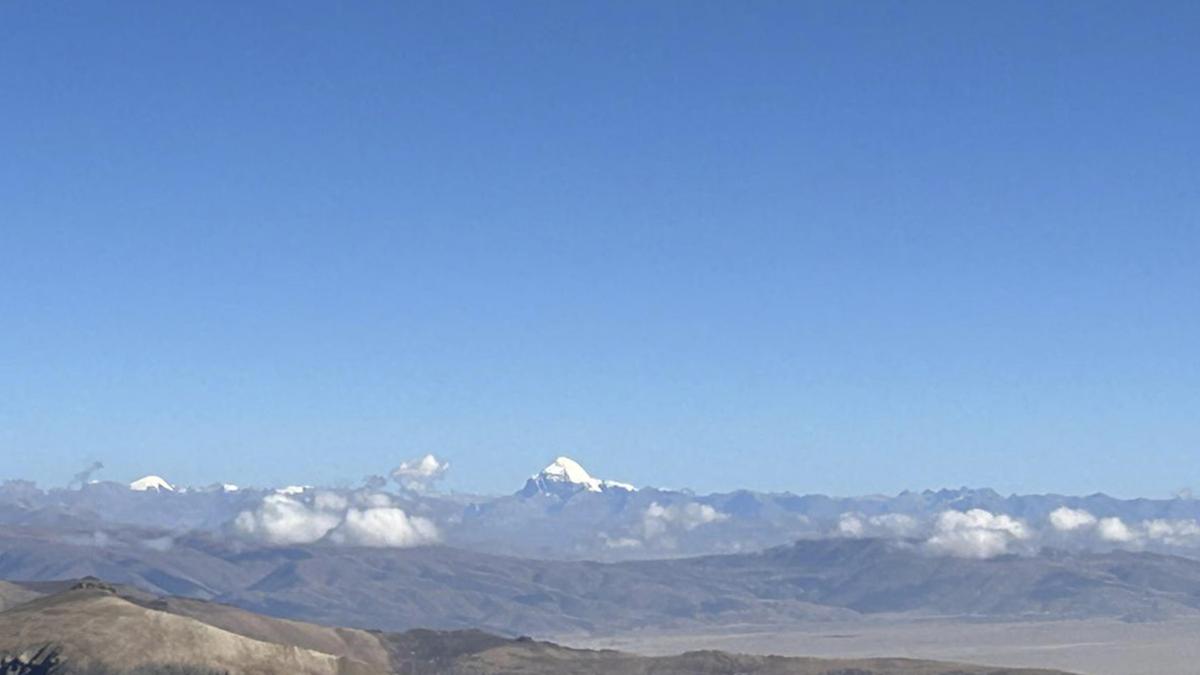
India has brushed aside Nepal's objection to the Kailash Mansarovar Yatra being routed through the Lipulekh Pass, saying it is open to resolving all bilateral issues through dialogue and diplomacy.
The Ministry of External Affairs stated that India welcomes a "constructive interaction" with Nepal on all matters, including boundary disputes, but gave no indication it would pause or reroute the pilgrimage. The Yatra, which takes Hindu pilgrims to the sacred site in Tibet, passes through Lipulekh, a high-altitude pass in the tri-junction area where India, Nepal, and China meet.
Nepal claims the Lipulekh area as its own territory, a dispute that flared sharply in 2020 when India inaugurated a road linking Dharchula in Uttarakhand to Lipulekh. Nepal responded by releasing a new political map that showed Lipulekh, Kalapani, and Limpiyadhura as Nepali territory. The boundary disagreement has not been formally resolved since then.
By routing the Kailash Mansarovar Yatra through Lipulekh, India effectively treats the pass as Indian sovereign territory. Nepal sees this as reinforcing a claim it contests, which is why its objection carries diplomatic weight beyond the pilgrimage itself.
New Delhi's reply is notably measured, it neither dismisses Nepal's concerns as baseless nor makes any concession on the underlying territorial question. Framing the response around "dialogue and diplomacy" is standard language that keeps the door open without changing the facts on the ground.
The practical effect is that the Yatra proceeds through Lipulekh as planned. For pilgrims, there is no disruption. But for the bilateral relationship, the exchange underlines that the Kalapani-Lipulekh boundary question remains unresolved and is now visibly linked to a high-profile religious route that India has no obvious incentive to reroute.
The India-Nepal relationship has been generally on a recovery track after a difficult patch between 2020 and 2022, with both sides engaging at the leadership level. However, unresolved boundary issues, Nepal's posture on Chinese connectivity projects, and periodic friction over maps and routes mean the relationship carries structural tensions that occasional diplomatic exchanges are unlikely to fix quickly. Watch for whether Nepal escalates its objection formally or lets the matter settle, and whether this surfaces during any future high-level meeting between the two governments.
Qatar's foreign ministry said mediators including Qatar, Pakistan, and Oman have reached "very progressive stages" in efforts to end the US-Iran war, pushing Brent crude down more than four percent.
Qatar confirmed it is mediating between the US and Iran but said no direct talks are currently planned. The clarification follows conflicting statements from President Trump, who claimed talks are under way, and Tehran, which denied any dialogue is happening.
Saudi Aramco reported sharply higher second-quarter 2026 profits as the Iran war restricts global oil supply and pushes crude prices up. Other oil supermajors also posted outsized earnings, raising concerns about sustained fuel cost pressure for importing economies.
President Trump called current Iran negotiations the "last chance" to end five months of conflict, pushing oil prices higher. Tehran denied formal talks are taking place, raising the risk of a diplomatic breakdown with direct consequences for global energy markets.