
Qatar Signals Progress in US-Iran War Talks
Qatar's foreign ministry said mediators including Qatar, Pakistan, and Oman have reached "very progressive stages" in efforts to end the US-Iran war, pushing Brent crude down more than four percent.
Key Takeaways
May 4, 2026 · 2 min read · By Rishabh Bhardwaj
·
AI-assisted, human-reviewed · Our editorial standards
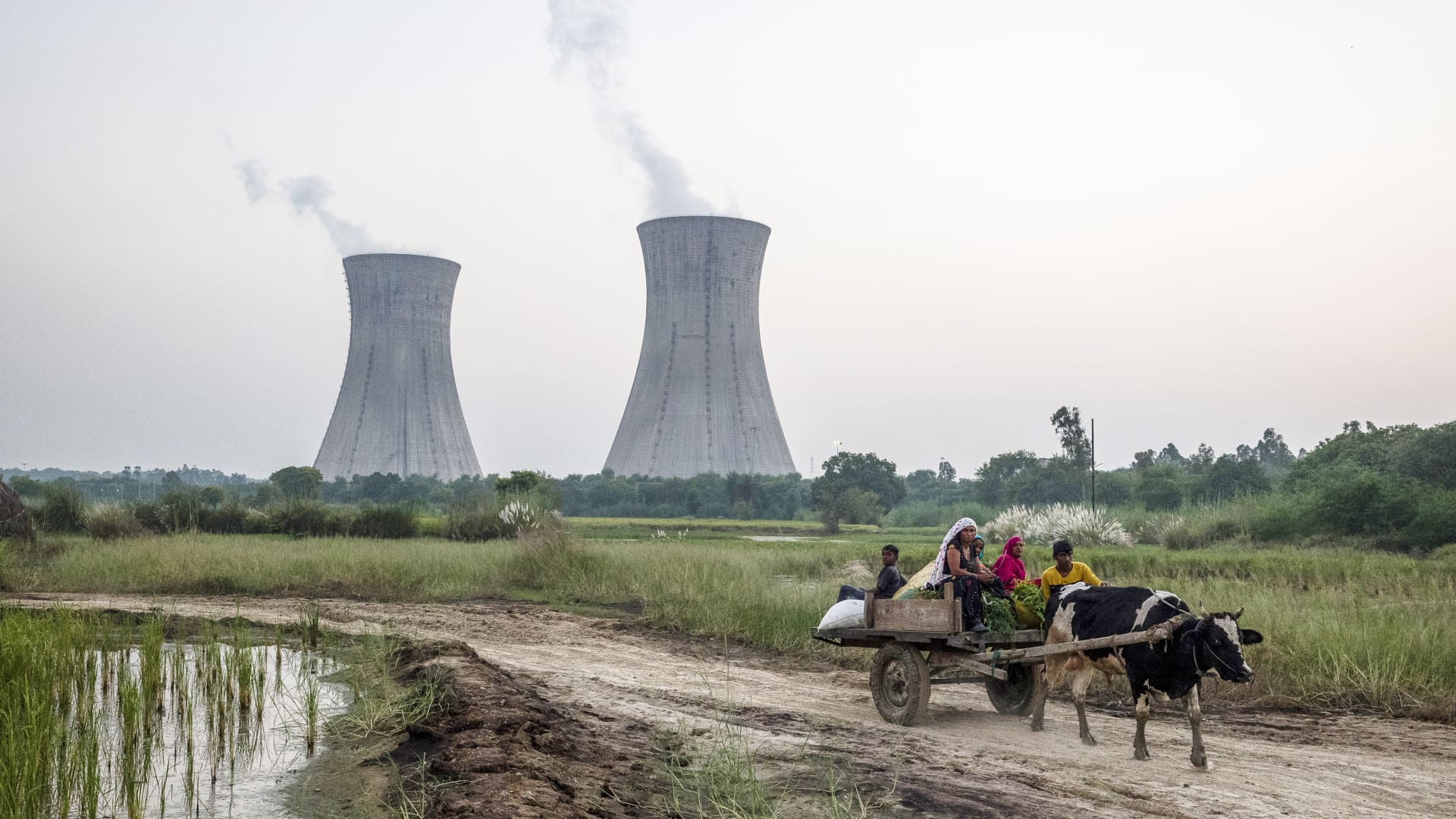
India is ramping up coal consumption as a surge in electricity demand, driven by extreme heat, collides with tighter energy supplies linked to the conflict involving Iran.
India is the world's third-largest emitter of carbon dioxide, and its power grid leans heavily on coal-fired plants. When electricity demand spikes, coal is the fastest lever the system has. That structural dependence means any demand surge translates almost directly into higher coal burn.
Extreme heat is pushing air conditioning and cooling loads to high levels across the country. At the same time, the conflict involving Iran is squeezing regional energy supplies, limiting India's ability to offset coal use with alternative fuel sources. The combination leaves coal as the default response.
India imports a significant share of its oil and gas from the Middle East, so disruptions in that corridor tighten the economics of switching away from coal, even temporarily. When gas and oil become less available or more expensive, utilities and industrial users fall back on domestic coal, which India has in large quantities and can dispatch quickly.
A sustained rise in coal burn pushes India's near-term carbon emissions higher, complicating its clean energy commitments under international climate agreements. India has set ambitious renewable energy targets, but the grid still depends on coal to handle peak load. Until storage and grid infrastructure catch up with renewable capacity, coal remains the swing fuel.
For markets, higher coal demand supports prices for thermal coal globally and raises freight and logistics volumes on coal supply routes. Indian coal importers and domestic miners stand to see stronger demand. Energy-intensive industries in India may face higher power costs if utilities pass on fuel expenses.
The near-term watch points are how long the heat wave persists, whether the Iran conflict further disrupts oil and gas flows to South Asia, and whether India's grid operators signal any emergency capacity measures that could accelerate or slow the coal ramp-up.
Qatar's foreign ministry said mediators including Qatar, Pakistan, and Oman have reached "very progressive stages" in efforts to end the US-Iran war, pushing Brent crude down more than four percent.
Qatar confirmed it is mediating between the US and Iran but said no direct talks are currently planned. The clarification follows conflicting statements from President Trump, who claimed talks are under way, and Tehran, which denied any dialogue is happening.
Saudi Aramco reported sharply higher second-quarter 2026 profits as the Iran war restricts global oil supply and pushes crude prices up. Other oil supermajors also posted outsized earnings, raising concerns about sustained fuel cost pressure for importing economies.
President Trump called current Iran negotiations the "last chance" to end five months of conflict, pushing oil prices higher. Tehran denied formal talks are taking place, raising the risk of a diplomatic breakdown with direct consequences for global energy markets.