Opposition members in the Lok Sabha have raised a procedural objection, questioning how the government can move amendments to the women's reservation law before the principal Act itself has been notified. The challenge centers on legislative sequencing: critics argue that an amendment to an unnotified statute is constitutionally and procedurally irregular. The law in question reserves one-third of seats in the Lok Sabha and state assemblies for women. An official had previously acknowledged the sequencing issue, explaining that bringing the principal Act into force was a prerequisite for any proposed amendment to take legal effect. That admission now forms the basis of the opposition's challenge. The procedural dispute raises a practical question: if the government intends to amend the law before notification, it must first activate the original Act, a step that would trigger delimitation and census requirements tied to its implementation. How Parliament and the government resolve this sequencing conflict will determine the timeline for women's reservation taking actual effect.
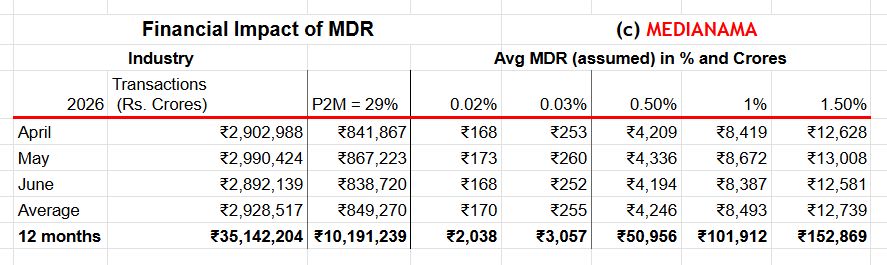
India's government plans to amend the Payment and Settlement Systems Act to restore UPI merchant discount rates, ending the zero-MDR regime in place since January 2020.
India's government has introduced the Taxation and Other Laws (Amendment) Bill, 2026, proposing changes to payments regulation, income tax, and the Finance Act to attract FDI and support Make in India. The Bill's final shape will depend on parliamentary debate and committee review.
The government's Taxation and Other Laws (Amendment) Bill, 2026, proposes to replace the blanket UPI MDR ban with a system allowing the Centre to notify which payment modes stay fee-free.
Prime Minister Narendra Modi inaugurated the Rs 5,000 crore Bhogapuram greenfield airport in Andhra Pradesh, built under a public-private partnership model. He also laid foundation stones for infrastructure projects worth nearly Rs 18,000 crore in the state, signalling a broad investment push for the region.