
Qatar Signals Progress in US-Iran War Talks
Qatar's foreign ministry said mediators including Qatar, Pakistan, and Oman have reached "very progressive stages" in efforts to end the US-Iran war, pushing Brent crude down more than four percent.
Key Takeaways
May 7, 2026 · 2 min read · By Rishabh Bhardwaj
·
AI-assisted, human-reviewed · Our editorial standards
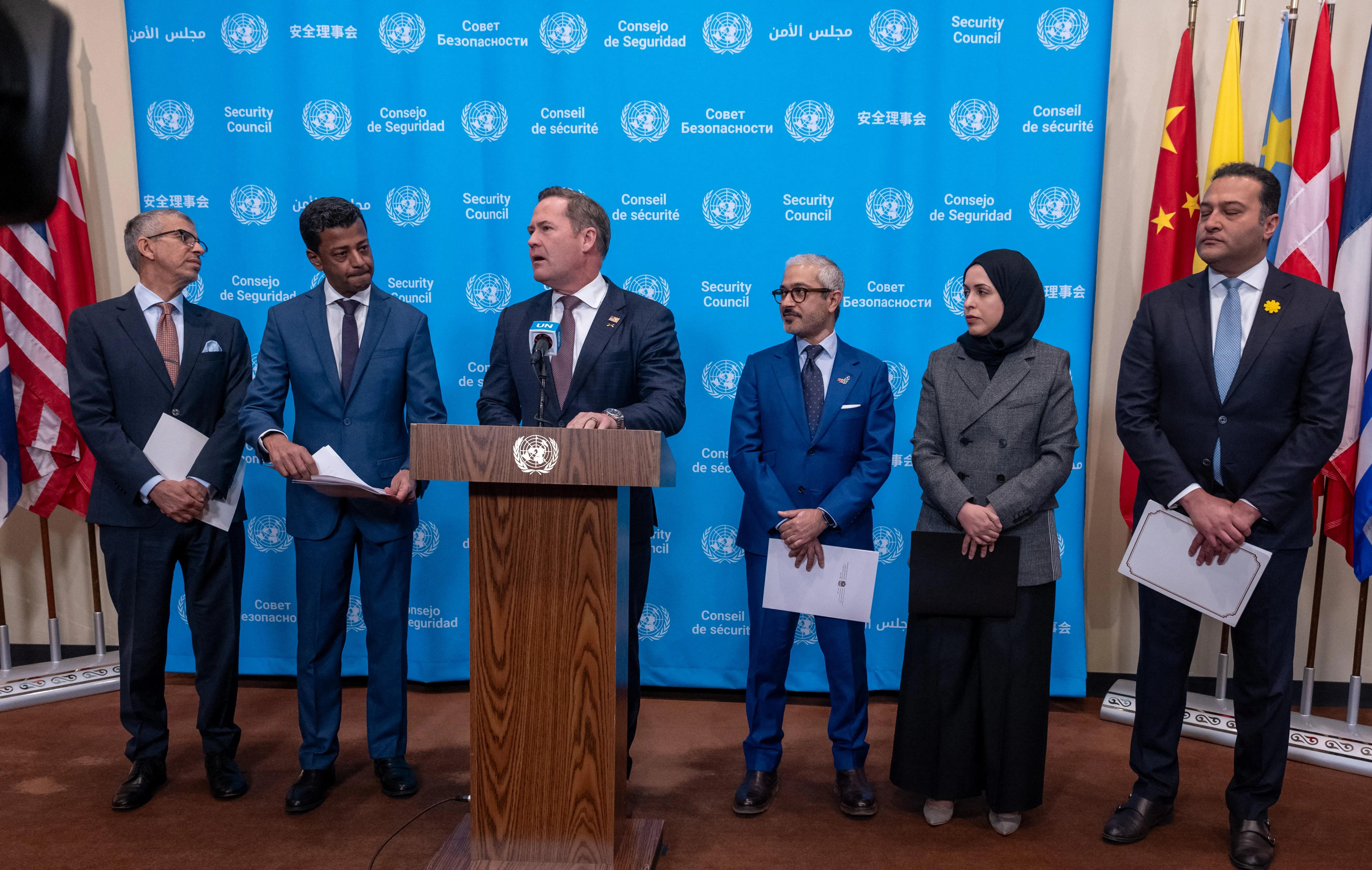
Gulf Arab states have brought a draft resolution to the United Nations demanding that Iran stop attacks in the Strait of Hormuz, clear mines from the waterway, and allow humanitarian aid to pass freely through it.
The Strait of Hormuz is one of the world's most critical shipping chokepoints. Roughly a fifth of global oil supply passes through the narrow passage between Iran and the Arabian Peninsula each day, along with significant volumes of liquefied natural gas. Any disruption there moves energy prices fast and creates immediate supply anxiety for importers in Asia and Europe.
The resolution, as described, has three specific asks: Iran must halt attacks in the strait, remove or neutralise mines that have been placed in the waterway, and guarantee safe passage for ships carrying humanitarian cargo. The combination of those demands signals that Gulf states believe all three problems are active and simultaneous, not theoretical.
Mine-laying is a particularly serious escalation concern because mines are indiscriminate, they do not distinguish between military vessels, commercial tankers, or aid ships. If confirmed at scale, the presence of mines would force shipping companies to reroute, raise insurance premiums sharply, and push oil freight costs higher even before any vessel is actually struck.
A UN resolution, even a non-binding one, would put formal international pressure on Iran and create a record that could be used to justify further diplomatic or economic measures. Whether the resolution passes depends on support from Security Council permanent members, particularly Russia and China, both of which have resisted Western-backed resolutions targeting Iran in the past.
For energy markets, the story is about risk pricing rather than an immediate supply cut. Oil traders and tanker operators watch Hormuz tensions closely because even a brief closure or sustained mine threat would be enough to spike Brent crude and tighten shipping capacity globally. Indian refiners, who import heavily from Gulf producers, would face higher landed costs quickly if freight rates or insurance surcharges rise.
The next developments to watch are whether the resolution gains enough votes to pass, how Iran responds diplomatically, and whether any independent confirmation of mine locations emerges. Each of those outcomes will shape how seriously markets and governments treat the threat level in the strait.
Qatar's foreign ministry said mediators including Qatar, Pakistan, and Oman have reached "very progressive stages" in efforts to end the US-Iran war, pushing Brent crude down more than four percent.
Qatar confirmed it is mediating between the US and Iran but said no direct talks are currently planned. The clarification follows conflicting statements from President Trump, who claimed talks are under way, and Tehran, which denied any dialogue is happening.
Saudi Aramco reported sharply higher second-quarter 2026 profits as the Iran war restricts global oil supply and pushes crude prices up. Other oil supermajors also posted outsized earnings, raising concerns about sustained fuel cost pressure for importing economies.
President Trump called current Iran negotiations the "last chance" to end five months of conflict, pushing oil prices higher. Tehran denied formal talks are taking place, raising the risk of a diplomatic breakdown with direct consequences for global energy markets.