India's GST revenue hit a record ₹2.43 lakh crore in April 2025, beating the previous all-time high of ₹2.23 lakh crore set in April 2024. The roughly 9% year-on-year jump marks the strongest single-month collection since the tax was introduced in 2017. April tends to be a strong month for GST because businesses file returns for the full financial year ending March, concentrating a large volume of transactions and compliance in one month. The record signals broad-based economic activity and stronger compliance, both of which feed directly into government revenue. Higher GST intake reduces pressure on fiscal deficit targets and gives the Centre more room to manage capital spending without borrowing more. Watch for whether this momentum holds through the following months, which historically see softer collections as the year-end filing bump fades.
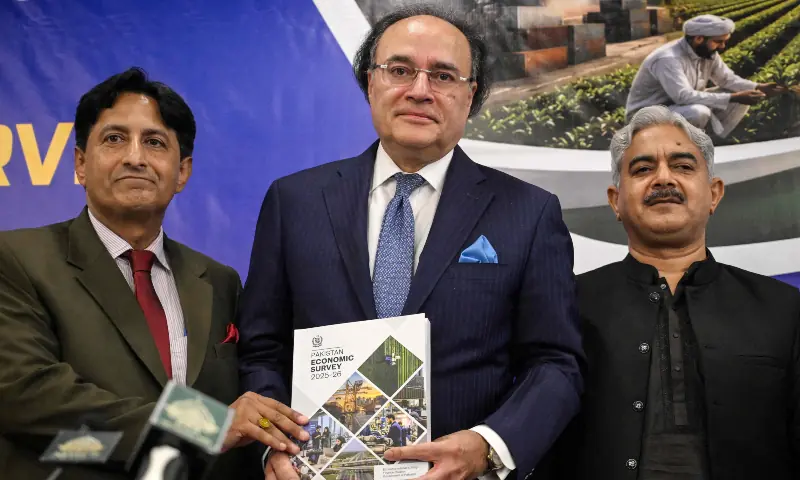
Pakistan's economy grew 3.7 percent in FY2026, its fastest rate in four years, according to the Pakistan Economic Survey presented by Finance Minister Muhammad Aurangzeb. Growth beat last year's 3.18 percent but missed the 4.2 percent target, with floods, regional conflict, and weaker food exports cited as key drags.
The Union government released an additional Rs 1,09,019 crore in tax devolution to states on August 1, 2026, separate from the regular monthly transfer. The lump-sum release aims to accelerate state capital spending in the July-September quarter, with Uttar Pradesh, Bihar, and Madhya Pradesh among the top recipients.
US mortgage rates have risen to a one-year high as markets weigh Federal Reserve rate uncertainty and Middle East conflict-driven inflation fears. Higher rates increase monthly payments for new buyers and are likely to further suppress housing market activity and refinancing.
Pakistan's Sensitive Price Index rose 13.52 percent year on year for the week ending July 2, 2026, marking 45 consecutive weeks of annual gains. Electricity up 49 percent, wheat flour up 68 percent, and LPG up 44 percent year on year are the main drivers.