India Bill Opens Path to UPI Merchant Fees
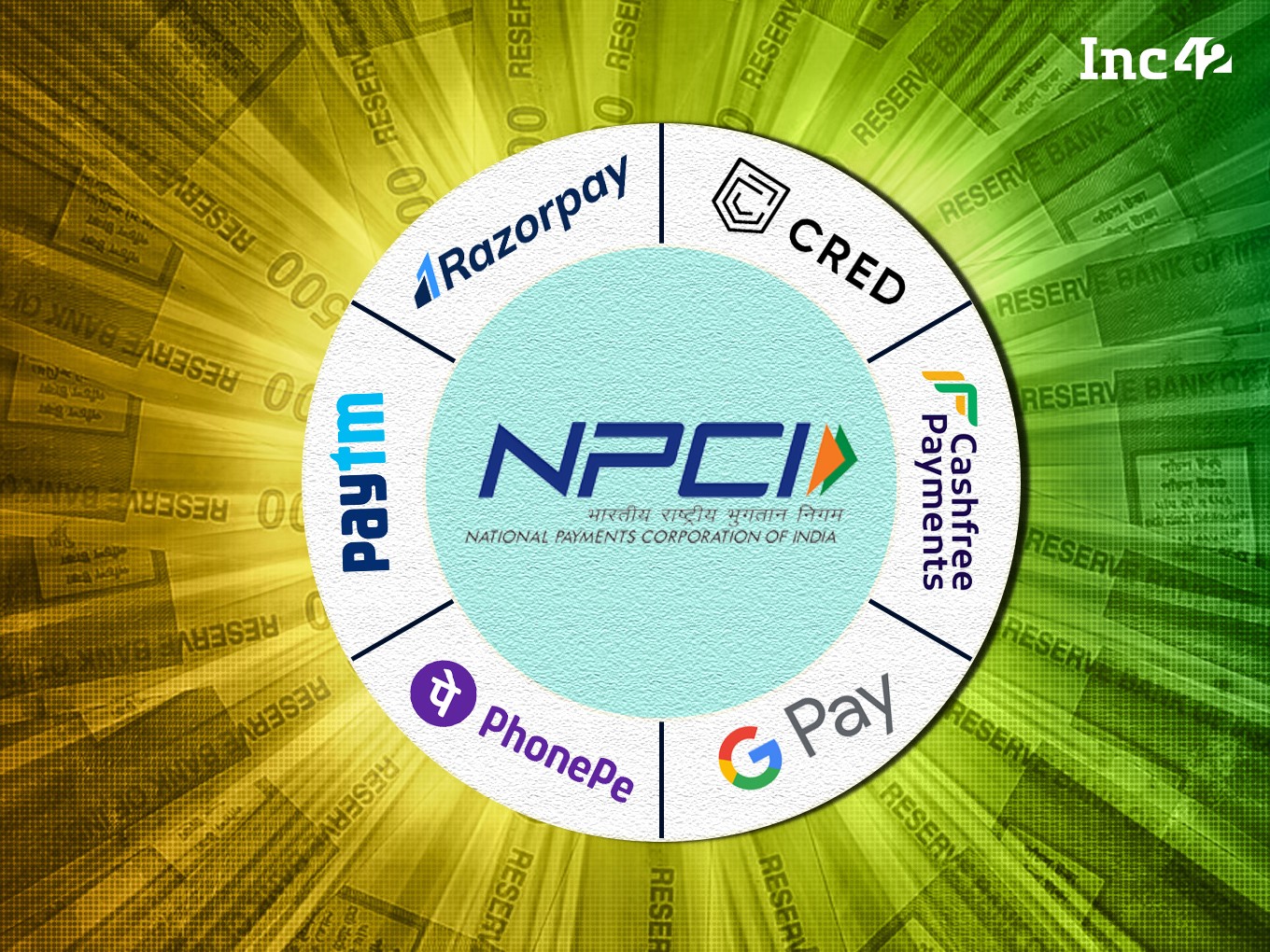
The government's Taxation and Other Laws (Amendment) Bill, 2026, proposes to replace the blanket UPI MDR ban with a system allowing the Centre to notify which payment modes stay fee-free.
Key Takeaways
August 4, 2026 · 3 min read · By Rishabh Bhardwaj
·
AI-assisted, human-reviewed · Our editorial standards

The Indian government has introduced the Taxation and Other Laws (Amendment) Bill, 2026 in Parliament, proposing changes across three existing laws to make it easier to do business in India, attract foreign direct investment, and strengthen the Make in India programme.
The Bill proposes amendments to three statutes: the Payment and Settlement Systems Act, 2007, the Income-tax Act, 2025, and the Finance Act, 2026. By bundling reforms across tax law and payments regulation into a single legislative vehicle, the government is signalling a coordinated push rather than piecemeal fixes.
The Payment and Settlement Systems Act governs how payment system operators, including digital payment platforms and clearing houses, are authorised and supervised in India. Amendments here could affect compliance requirements, licensing conditions, or the regulatory perimeter for new payment technologies. Any easing of these rules would directly benefit fintech firms and foreign payment operators eyeing the Indian market.
Changes to the Income-tax Act, 2025 are likely aimed at reducing friction for foreign investors. Tax treatment of cross-border transactions, withholding obligations, and dispute resolution mechanisms are common pain points for companies weighing an Indian investment. Clearer or lighter tax rules lower the cost of doing business and make India more competitive against other emerging markets for FDI.
The Finance Act, 2026 amendments suggest the government wants to follow up on budget commitments made earlier this year with statutory backing. Finance Acts typically carry the budget's tax proposals into law, so further changes to it mid-year point to either technical corrections or new incentives that emerged after the original budget passed.
India's FDI inflows have faced headwinds from regulatory complexity and unpredictable tax treatment. A single Bill that streamlines rules across payments, income tax, and the finance framework sends a clear signal to multinationals and private equity that the government is actively lowering the compliance burden.
The Make in India angle is equally important. Manufacturing investors, particularly those relocating supply chains from China or diversifying production bases, weigh tax clarity and ease of repatriation heavily before committing capital. Amendments that address these concerns could accelerate decisions already in pipeline for sectors like electronics, semiconductors, and defence manufacturing.
For domestic businesses, particularly in the digital payments space, changes to the Payment and Settlement Systems Act could open new product categories or reduce the cost of regulatory compliance. India's payments market is one of the fastest growing in the world, and any relaxation of entry or operational rules would intensify competition and potentially lower transaction costs for end users.
The Bill has been introduced but the detailed clause-by-clause text will determine the actual scope of change. Parliament's deliberations and any committee review will shape the final form of the law. Businesses and investors should track the Bill's progress closely, as the devil in any tax and payments reform is in the drafting detail.
What to watch next: the tabling of the Bill's full text, committee referrals if any, and the government's stated timeline for passage. Given the legislative calendar and the government's stated priority on ease of doing business, a pre-session-end passage is plausible but not guaranteed.
The government's Taxation and Other Laws (Amendment) Bill, 2026, proposes to replace the blanket UPI MDR ban with a system allowing the Centre to notify which payment modes stay fee-free.
Prime Minister Narendra Modi inaugurated the Rs 5,000 crore Bhogapuram greenfield airport in Andhra Pradesh, built under a public-private partnership model. He also laid foundation stones for infrastructure projects worth nearly Rs 18,000 crore in the state, signalling a broad investment push for the region.
India's July 31, 2026, income tax return deadline has not been extended, leaving late filers liable for fees and interest. Business taxpayers without an audit requirement have until August 31, while those needing a tax audit must file by October 31, 2026.
India's IT Ministry summoned Meta's global head of public policy after automated filters removed Prime Minister Modi's Facebook post on paper leak legislation, with the government rejecting Meta's glitch explanation as insufficient.