India to Restore UPI Merchant Fees, PhonePe Gains Most
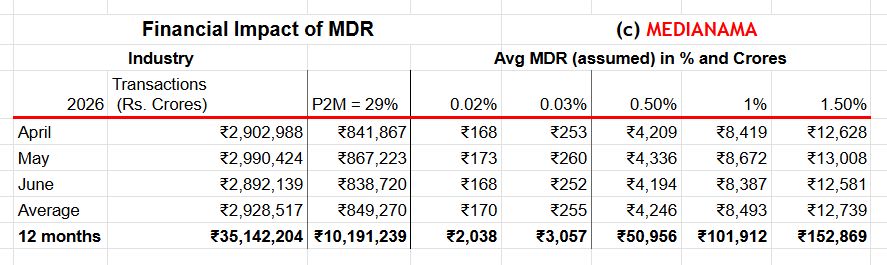
India's government plans to amend the Payment and Settlement Systems Act to restore UPI merchant discount rates, ending the zero-MDR regime in place since January 2020.
Key Takeaways
May 13, 2026 · 3 min read · By Rishabh Bhardwaj
·
AI-assisted, human-reviewed · Our editorial standards
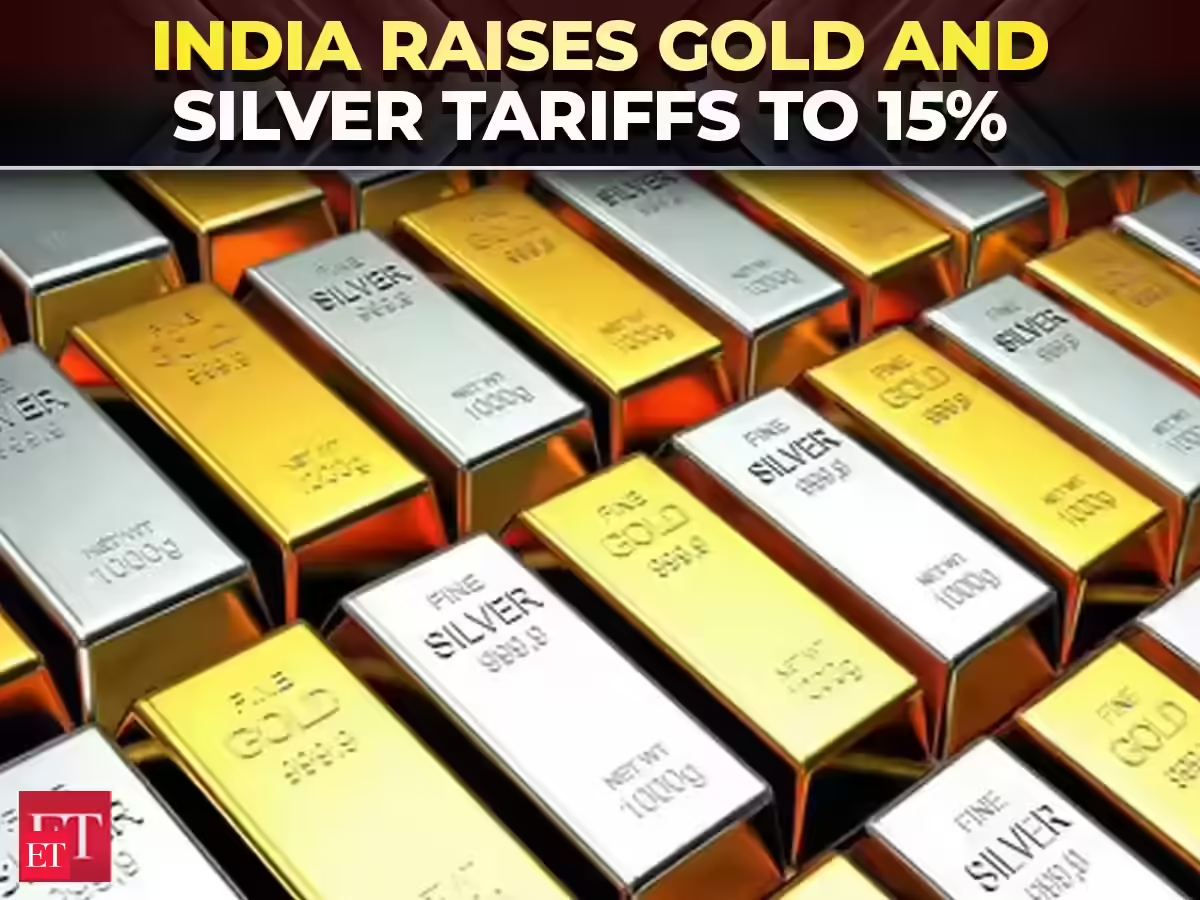
India has raised the import duty on gold sharply, taking it to 15% from 6% in a move aimed at reducing the country's import bill and easing pressure on the rupee.
The near-tripling of the duty is one of the steepest single-step increases on gold imports in recent memory. Gold is one of India's largest import categories after crude oil, and high gold demand consistently widens the current account deficit, which in turn puts downward pressure on the rupee against major currencies.
The mechanism is straightforward. Higher import duty raises the landed cost of gold in India, making it more expensive for jewellers, traders, and retail buyers. That is expected to dampen demand at the margin, reducing the volume of gold flowing into the country and, by extension, reducing the outflow of foreign exchange needed to pay for it.
India imports the vast majority of its gold, so domestic prices track global prices closely but are also sensitive to duty levels. A jump from 6% to 15% will push up local gold prices noticeably, affecting jewellery buyers, investors in physical gold, and businesses that use gold as a raw material. For context, higher local prices can also widen the gap between official and grey-market prices, which historically has encouraged smuggling.
The rupee angle is significant. When import demand for gold is high, Indian importers must buy foreign currency, typically US dollars, to settle those trades. That selling of rupees and buying of dollars adds to currency depreciation pressure. By discouraging gold imports, the government hopes to reduce that forex outflow and give the rupee some support.
This is not the first time India has used duty as a lever to manage gold demand. The government previously raised duties sharply in 2013 during a similar episode of current account stress, which did slow official imports but also led to a surge in smuggling through informal channels.
Jewellers and bullion dealers will need to reprice inventory quickly, and retail buyers may defer purchases, particularly ahead of the wedding and festive seasons when gold buying traditionally peaks. Gold loan companies and asset-backed lenders that use gold as collateral will see the rupee value of their collateral rise, which is a marginal positive for their loan books.
Investors holding gold ETFs or sovereign gold bonds will see the domestic price of gold move higher in the near term, reflecting the duty change. However, if the higher duty prompts a sustained drop in import volumes, it could also reduce the physical gold supply available to ETF custodians over time.
The policy also has a competitive dimension for neighbouring markets. Higher Indian import duties can redirect global gold flows toward other regional hubs, and some of that gold may re-enter India through informal routes. The government's ability to actually compress the import bill will depend on how effectively customs enforcement responds to the incentive to smuggle.
The broader signal from this move is that the government is willing to use trade barriers to manage the rupee and the current account, rather than relying solely on monetary policy or reserve intervention. That approach carries tradeoffs: it protects the external balance in the short run but raises costs for a large section of Indian consumers and the jewellery industry.
India's government plans to amend the Payment and Settlement Systems Act to restore UPI merchant discount rates, ending the zero-MDR regime in place since January 2020.
India's government has introduced the Taxation and Other Laws (Amendment) Bill, 2026, proposing changes to payments regulation, income tax, and the Finance Act to attract FDI and support Make in India. The Bill's final shape will depend on parliamentary debate and committee review.
The government's Taxation and Other Laws (Amendment) Bill, 2026, proposes to replace the blanket UPI MDR ban with a system allowing the Centre to notify which payment modes stay fee-free.
Prime Minister Narendra Modi inaugurated the Rs 5,000 crore Bhogapuram greenfield airport in Andhra Pradesh, built under a public-private partnership model. He also laid foundation stones for infrastructure projects worth nearly Rs 18,000 crore in the state, signalling a broad investment push for the region.