Indian stock markets are set to open sharply lower on Monday, with Gift Nifty trading near 23,096, a discount of roughly 356 points from the previous Nifty futures close. That gap signals a rough start for both the Sensex and Nifty 50 as investors absorb a heavy weekend news load spanning geopolitics, energy prices, and global equity moves.
What drove the selloff signal
The most visible pressure point is the escalating conflict involving Iran. Energy markets responded immediately, with oil prices moving higher on supply-risk fears. Because India imports the vast majority of its crude, any sustained rise in oil directly widens the current account deficit, pressures the rupee, and squeezes margins across fuel-dependent sectors including aviation, logistics, paints, and chemicals.
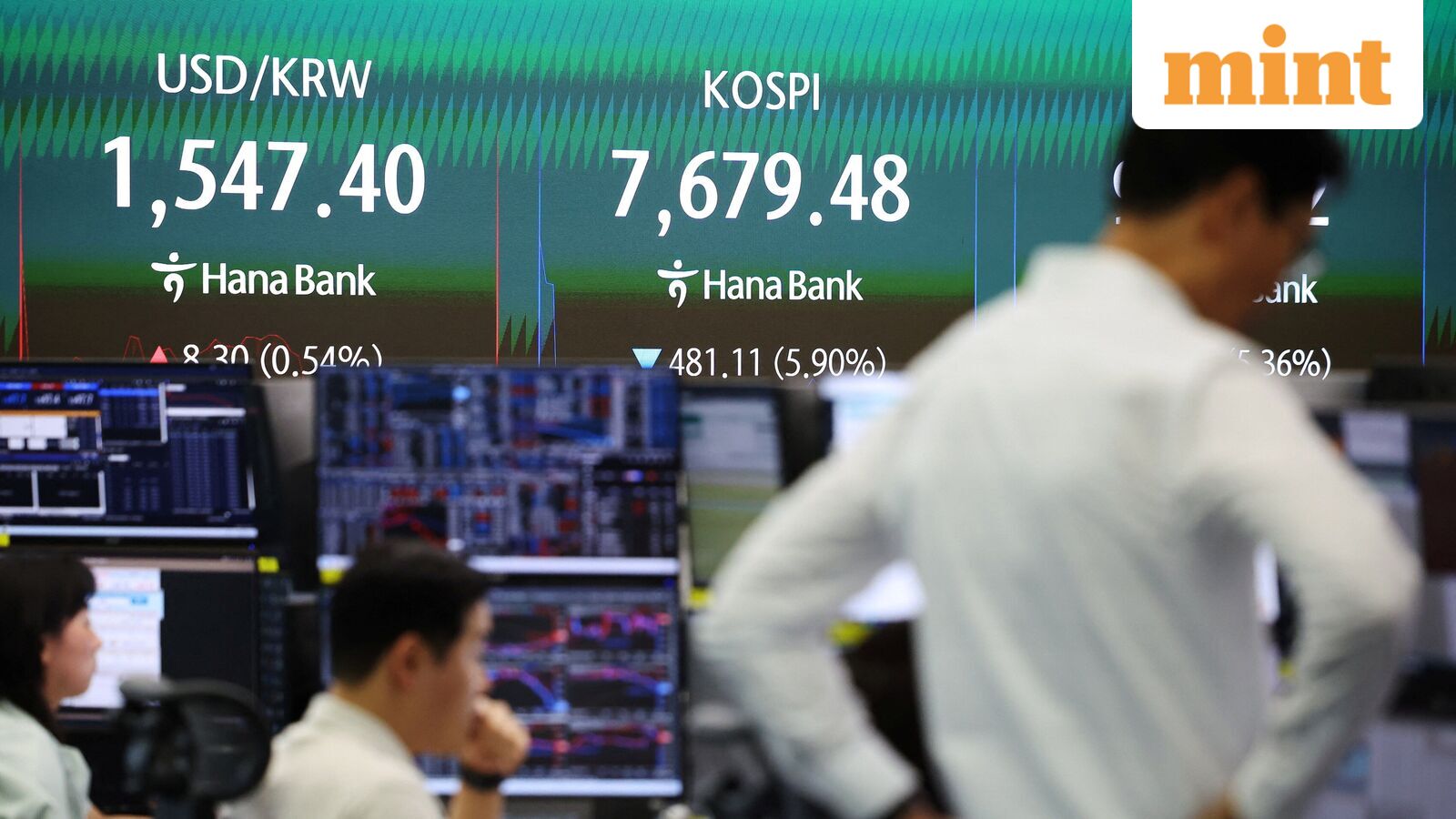
Global equity markets added to the cautious mood. Japan's Nikkei posted a sharp decline over the weekend session, reflecting risk-off sentiment across Asian markets. A falling Nikkei typically signals broad emerging-market caution, since institutional investors often treat it as a regional risk barometer. When large Asian indices drop together, foreign portfolio investors tend to reduce exposure across the board, and Indian equities are rarely insulated from that flow reversal.
On the technology side, moves in the Nasdaq are worth watching. The US tech index is a key reference for Indian IT stocks, which make up a significant weight in the Nifty 50. Any softness in Nasdaq overnight tends to translate directly into selling pressure on names like Infosys, TCS, Wipro, and HCL Technologies at the Indian open.
Why this open matters beyond a single day
A gap-down open of this size, close to 1.5 percent on the futures reading, is not just noise. It forces a reset of near-term support levels and puts options traders who sold puts at current strikes in an uncomfortable position. Stop-losses cluster just below key technical levels, and a sharp open can trigger cascading sell orders that push the index further than the initial gap implies.
The Iran situation deserves particular attention because it sits at the intersection of oil supply risk and broader geopolitical uncertainty. If the conflict widens or draws in additional parties, oil could move well above current levels. India's Petroleum Planning and Analysis Cell data consistently shows that every ten-dollar rise in crude adds roughly 0.4 to 0.5 percentage points to India's import bill as a share of GDP. That kind of pressure makes the Reserve Bank of India's job harder, since higher oil feeds both inflation and currency weakness simultaneously.
For equity investors, the practical read is straightforward. Defensives such as pharma and FMCG may hold better than cyclicals. Metal stocks could see mixed signals, since oil-linked cost pressures cut one way while any global demand slowdown cuts another. Public sector oil marketing companies will face the familiar dilemma of absorbing higher input costs without full retail price pass-through.
Foreign institutional investor flow data from Friday and any early Monday moves will be the clearest short-term signal. If FIIs turn net sellers at the open, the gap-down could deepen through the morning session before any stabilisation attempt. Domestic institutional investors, who have consistently provided a buffer on sharp down days in 2026, will be the ones to watch for signs of support buying.
The week ahead carries additional event risk beyond the weekend headlines. Traders will monitor whether oil prices stabilise or continue climbing, how US equity futures behave during Indian trading hours, and any diplomatic developments on the Iran front. Until those picture clear, the bias for Indian markets stays cautious.