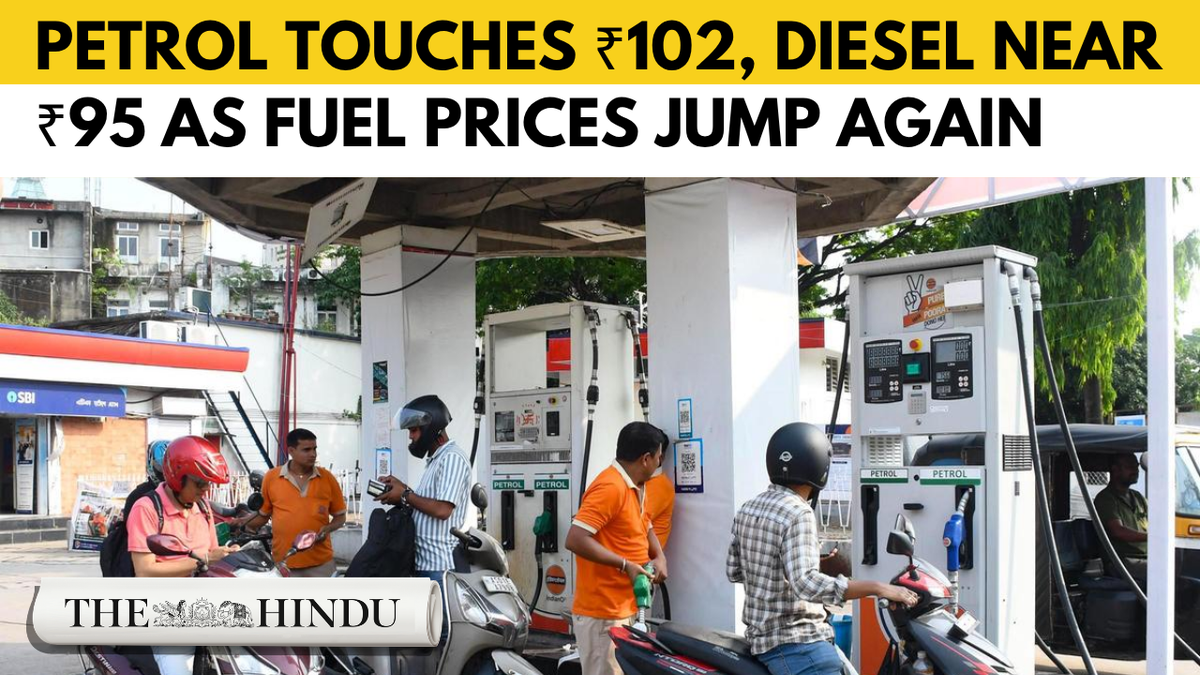
Petrol prices in Delhi crossed ₹102 per litre after oil marketing companies raised fuel prices for the fourth time in ten days. Diesel prices also moved higher in the same period. The back-to-back increases are adding pressure on household budgets and stoking concern about broader inflation.
Why the repeated hikes matter
Four price increases in ten days is an unusually fast pace. Each revision, even a small one, compounds the previous rise and pushes the effective cost up faster than a single larger hike would signal. For daily commuters, transport operators, and small businesses that rely on diesel for logistics or power backup, the cumulative impact lands quickly.
Fuel prices in India are linked to international crude oil costs and the exchange rate between the rupee and the dollar. When global crude rises or the rupee weakens, the landed cost of imported oil goes up. Oil marketing companies, which buy and sell fuel domestically, absorb those costs or pass them on through retail price revisions. A string of hikes in quick succession usually means the gap between their cost and the selling price had been building for a while before the adjustments began.
Petrol crossing ₹102 in Delhi is significant because the capital typically sits at the lower end of the national price range due to relatively modest state taxes. Cities in states with higher value-added tax or cess structures will be seeing noticeably steeper prices.
What this means for inflation and the broader economy
Fuel is a direct input into transport, which touches nearly every sector of the economy. When diesel gets more expensive, freight costs rise. That pressure moves through supply chains and tends to show up in the prices of food, consumer goods, and manufactured products. Petrol price increases hit urban consumers most directly through personal vehicle running costs and auto-rickshaw or taxi fares.
For policymakers, persistently rising fuel prices create a difficult trade-off. The Reserve Bank of India monitors fuel costs closely because they feed directly into the Consumer Price Index and can push headline inflation higher even when core inflation stays contained. If price increases continue, they could influence the central bank's thinking on interest rates.
State governments also feel the squeeze. Many rely heavily on fuel taxes as a revenue source. If high prices suppress consumption or push buyers toward alternatives, that revenue base can erode, though that effect tends to play out over months rather than days.
For businesses running fleets or generators, the immediate task is to reassess operating cost assumptions built into current contracts and budgets. Margins in logistics, e-commerce delivery, and agriculture can compress fast when diesel costs climb in a short window.
The pace of the current revision cycle is what makes this episode stand out. Gradual increases allow households and businesses to adjust slowly. Four hikes in ten days compress that adjustment window and are more likely to show up quickly in spending behavior and sentiment surveys.
The key thing to watch is whether oil marketing companies pause the revision cycle or continue raising prices. If international crude stabilises or pulls back, the pressure on domestic prices should ease. If crude stays elevated or the rupee weakens further, more hikes remain likely. Any government intervention, such as a cut in central excise duty on fuel, would change the picture quickly, but no such move has been indicated at this point.