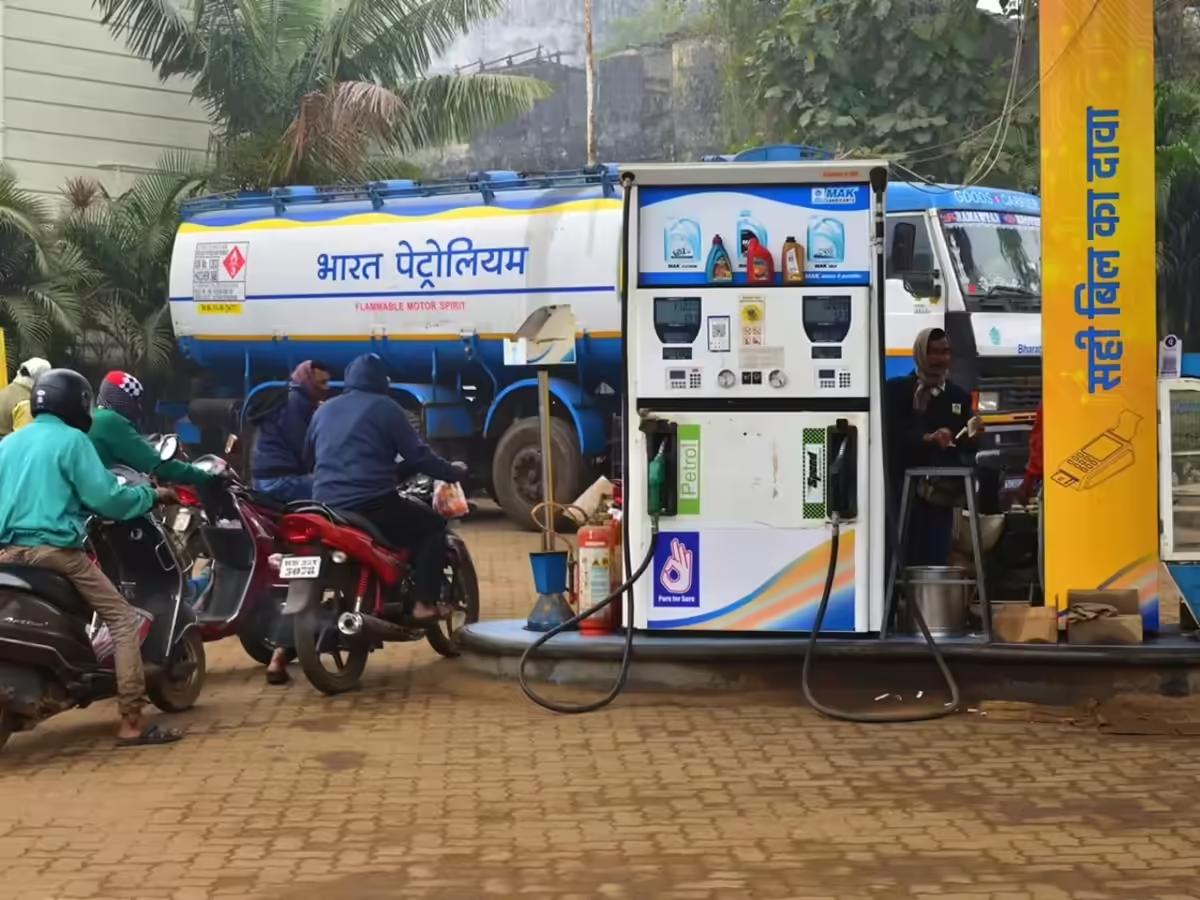
India may be moving toward a fuel price hike as state-run oil companies continue to absorb heavy daily losses from elevated global crude prices, and the financial pressure is becoming difficult to sustain.
The root pressure comes from two directions. Global crude prices have stayed high, and the ongoing West Asia crisis is disrupting energy supply routes, adding freight and risk costs on top of already elevated commodity prices. When retail fuel prices are held below market cost, the difference is borne by public sector oil companies, and those losses compound every day prices stay frozen.
Why the government has held prices so far
Keeping petrol and diesel prices stable is a tool governments use to manage inflation and protect household budgets, especially before elections or during periods of economic stress. India's state-owned retailers, which supply the bulk of the country's fuel, have absorbed these losses on behalf of consumers, but their ability to do so has limits tied to balance sheet health and government support.
The West Asia conflict adds a layer of supply uncertainty beyond just price. Disruptions to shipping lanes or oil production in the region could tighten global supply further, pushing crude costs even higher and widening the gap between what retailers pay and what consumers are charged.
What a price hike would mean
A revision in retail fuel prices would directly raise transport and logistics costs, which feed through to the price of food and other goods. It would also put pressure on consumers who rely on personal vehicles, especially in cities with limited public transport. On the other side, restoring margins for oil marketing companies would improve their financial position and reduce the need for government bailouts.
The government has not announced any specific timeline or the size of a potential price change. What to watch: any signal from the oil ministry or state fuel retailers on under-recovery figures, and whether crude prices ease or climb further in coming weeks.