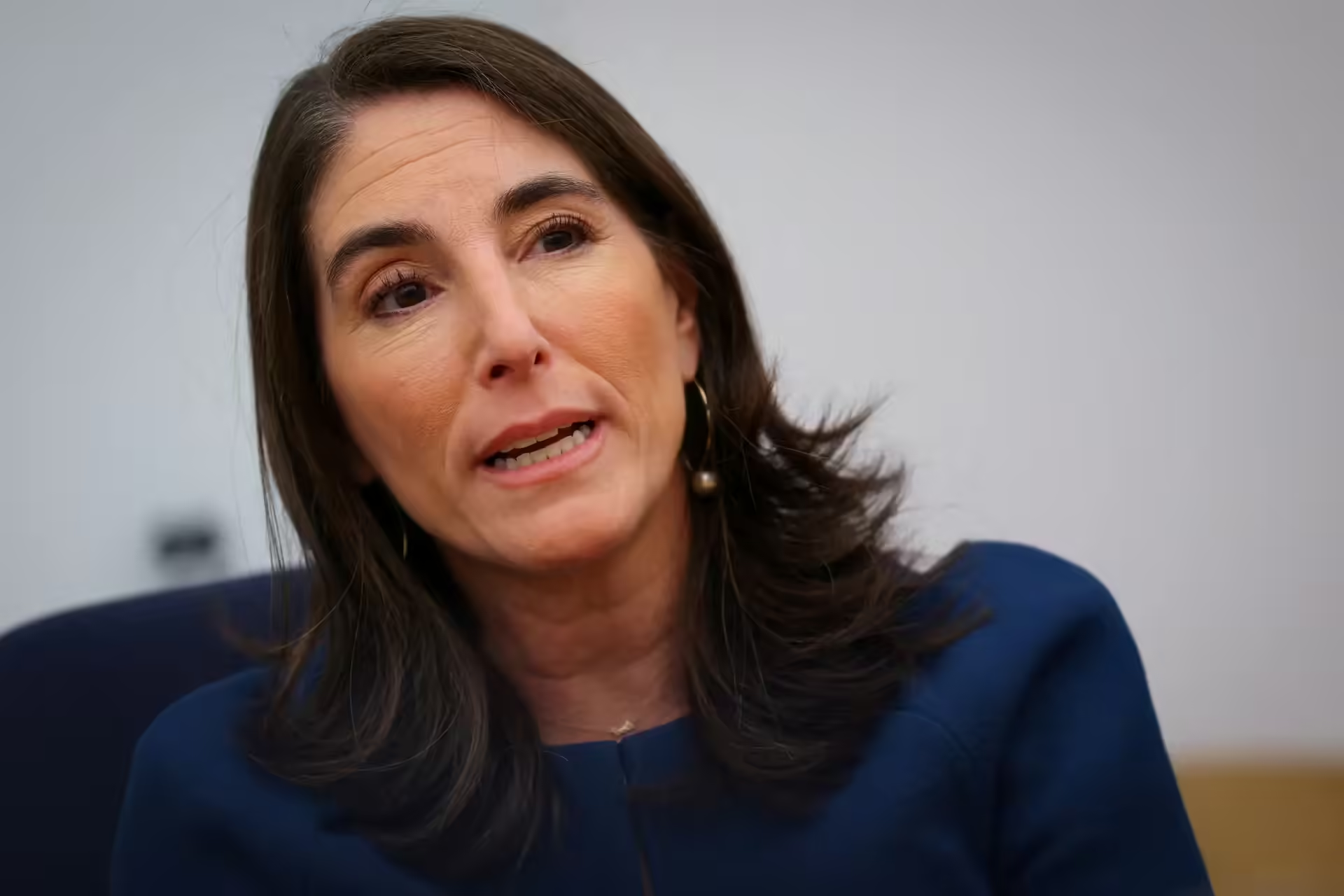
Cleveland Fed President Beth Hammack broke with her colleagues this week, dissenting against the Federal Reserve's decision to keep an easing bias in its official stance. An easing bias signals that the Fed's next likely move is a rate cut, and Hammack no longer thinks that signal is appropriate. Her dissent reflects growing unease inside the Fed about the economic and inflation outlook. With inflation still above target and the broader economy showing mixed signals, Hammack argued the central bank should not be pre-committing to a direction for rates. The Fed kept rates unchanged this week, but the language it uses to describe future intentions matters as much to markets as the rate decision itself. Dropping or keeping an easing bias shapes how investors price bonds, stocks, and borrowing costs across the economy. Hammack's dissent puts her in the hawkish camp, preferring caution over signaling cuts. Watch whether other Fed officials echo her concern in upcoming speeches, which could shift market expectations for when and whether cuts actually arrive.
The Indian government has launched an OFS to sell up to 6.5% of its LIC stake, opening for non-retail investors on August 4, 2026, at a floor price of Rs 382 per share, about 11% below Monday's close. The discounted offering is likely to pressure LIC shares in the near term as supply increases sharply.
More than a dozen major Indian companies including Bharti Airtel, ONGC, Pidilite, Nykaa, DLF, and Ather Energy report April-June 2026 earnings on August 4. Results span telecom, energy, consumer goods, real estate, and EV sectors, giving markets a broad read on corporate health mid-earnings season.
Amazon shares hit a new all-time high Monday, pushing its market cap above $3 trillion following a sustained post-earnings rally. The milestone places Amazon among the very few companies globally to reach this valuation, with investor focus on AWS and advertising growth driving the move.
Sensex Gains 500 Points as Oil Falls on Iran Talks
The Sensex rose around 500 points and the Nifty crossed 24,500 on Monday after Donald Trump announced talks with Iran, pushing oil prices lower. IndiGo, ITC, FMCG, and metals led the gains as cheaper crude eased cost and inflation concerns.