
Qatar Signals Progress in US-Iran War Talks
Qatar's foreign ministry said mediators including Qatar, Pakistan, and Oman have reached "very progressive stages" in efforts to end the US-Iran war, pushing Brent crude down more than four percent.
Key Takeaways
June 27, 2026 · 3 min read · By Rishabh Bhardwaj
·
AI-assisted, human-reviewed · Our editorial standards
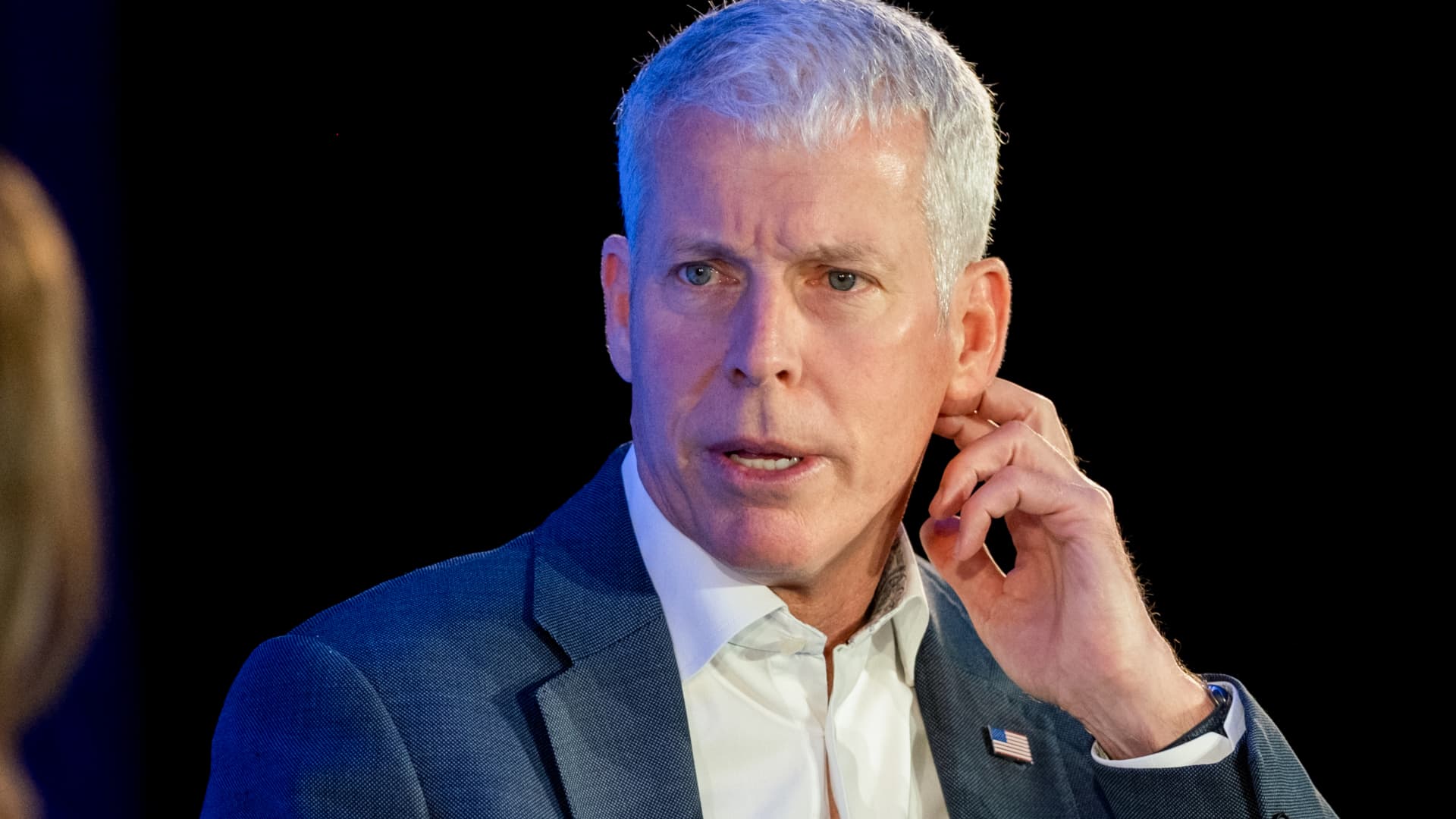
U.S. Energy Secretary Chris Wright claimed Friday that American military action has effectively ended Iran's ability to close the Strait of Hormuz, one of the world's most critical oil chokepoints. Wright cited real-time shipping data to back the assertion, noting that 72 ships carrying 19 million barrels of oil had passed through the strait in the prior 24 hours.
The Strait of Hormuz is a narrow waterway between Iran and Oman through which roughly 20 percent of global oil supply travels on any given day. Any credible threat to close it tends to send oil prices sharply higher almost immediately, because traders price in supply disruption risk before it actually materializes. Wright's statement is a direct attempt to neutralize that risk premium.
The significance here is less about the shipping count and more about the signal. When a senior U.S. cabinet official publicly declares that Iran no longer has the physical capacity to shut the strait, it is meant to reassure energy markets, allied governments, and oil importers, particularly in Asia, that the waterway is secure regardless of Iranian rhetoric or posturing.
Iran has periodically threatened to close the strait during periods of heightened tension with the United States, and those threats have historically been enough to push crude prices higher even without any actual blockade. If markets accept Wright's assertion, it removes one of the most durable geopolitical risk premiums baked into global oil pricing.
The 19 million barrels cited by Wright in a single 24-hour window is broadly consistent with normal Hormuz throughput, which suggests the strait is currently operating without disruption. That figure covers crude oil, condensate, and refined petroleum products, and it flows predominantly to buyers in China, India, Japan, South Korea, and other Asian economies that are heavily dependent on Gulf crude.
Wright did not specify the exact nature of U.S. military action or capability that he says has neutralized Iran's ability to close the strait. That detail matters: the durability of the claim depends entirely on what changed operationally and whether it holds if tensions escalate further.
Iran's response to Wright's statement will be closely watched. Tehran has in the past disputed U.S. assessments of its military reach in the Gulf, and any counter-signal, whether a naval exercise, a threat, or an incident near the strait, could quickly test market confidence in Wright's assurance.
For oil importers like India, which sources a large share of its crude from Gulf producers including Iraq, Saudi Arabia, and the UAE, a secure Hormuz is not a background assumption but an active economic necessity. Any credible threat to that passage raises import costs, widens the current account deficit, and pressures the rupee. Wright's claim, if it holds, is unambiguously positive for those economies.
Crude oil traders will also be watching whether the statement translates into a measurable drop in the geopolitical risk premium currently embedded in prices. If the market believes the strait is structurally safer than it was before recent U.S. military activity, that could put modest downward pressure on oil benchmarks even as other supply-demand factors remain in play.
The broader question is whether a single cabinet statement, however emphatic, is enough to permanently reprice Hormuz risk. Energy markets have heard strong U.S. assurances before, only to see tension flare again. The 72-ship, 19-million-barrel data point is concrete, but one day of normal traffic does not settle a decades-old geopolitical fault line.
Qatar's foreign ministry said mediators including Qatar, Pakistan, and Oman have reached "very progressive stages" in efforts to end the US-Iran war, pushing Brent crude down more than four percent.
Qatar confirmed it is mediating between the US and Iran but said no direct talks are currently planned. The clarification follows conflicting statements from President Trump, who claimed talks are under way, and Tehran, which denied any dialogue is happening.
Saudi Aramco reported sharply higher second-quarter 2026 profits as the Iran war restricts global oil supply and pushes crude prices up. Other oil supermajors also posted outsized earnings, raising concerns about sustained fuel cost pressure for importing economies.
President Trump called current Iran negotiations the "last chance" to end five months of conflict, pushing oil prices higher. Tehran denied formal talks are taking place, raising the risk of a diplomatic breakdown with direct consequences for global energy markets.