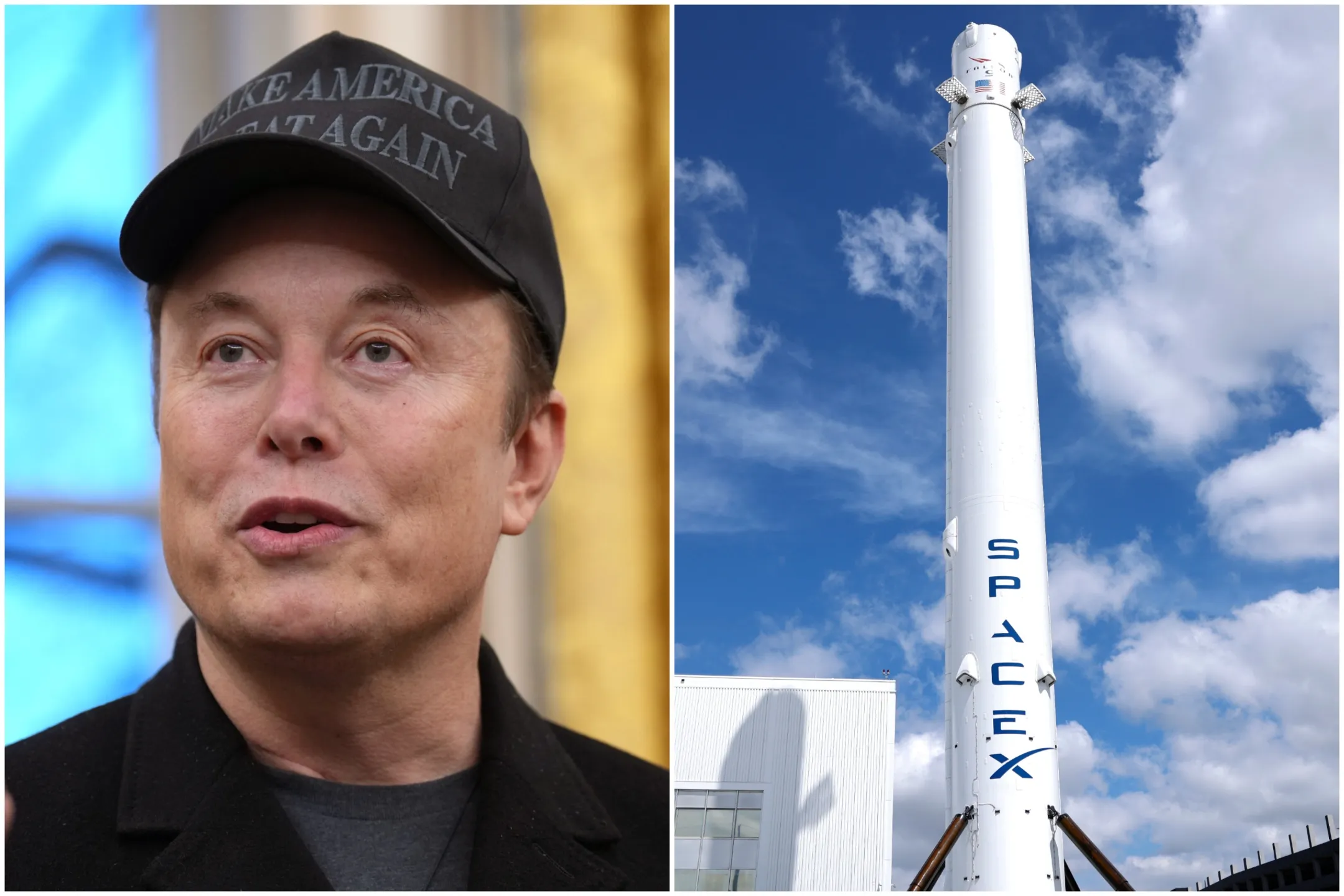
SpaceX has set the terms for what would be the largest initial public offering in history, pricing 555.6 million shares at a valuation of $1.77 trillion. The Elon Musk-led company confirmed the pricing on Thursday, setting a benchmark that eclipses every previous stock market debut on record.
SpaceX is not a simple business to categorize. It operates as a rocket manufacturer, a satellite internet provider through its Starlink network, an artificial intelligence company, and it owns the social platform X, formerly known as Twitter. That sprawl across high-capital, high-growth sectors is central to why investors have assigned it such an extraordinary valuation heading into its public market debut.
What the Numbers Mean
A $1.77 trillion valuation would place SpaceX among the most valuable companies on the planet from day one of trading. For context, most of the world's largest listed companies took decades of public market activity to reach comparable valuations. SpaceX arrives at that number before a single share has changed hands on an exchange, which reflects both the scale of its contracted revenue from government and commercial launch customers and the growth expectations priced into Starlink's global broadband expansion.
The offering covers 555.6 million shares, though the full breakdown of share classes has not been detailed in the available disclosure. SpaceX has a multi-class share structure, which is common for founder-led technology companies going public and allows Musk to retain voting control even as outside investors take equity stakes.
Why This IPO Matters Beyond the Headline Number
The size of this deal matters for capital markets broadly. An offering at this valuation will absorb a significant volume of institutional capital, pulling funds from existing allocations in aerospace, technology, and growth equity. Index funds and ETFs that track broad market benchmarks will be compelled to add SpaceX once it qualifies for inclusion, creating structural buying pressure that could sustain the stock in early trading.
For the satellite internet sector, a publicly traded SpaceX gives Starlink a transparent market price for the first time. Competitors including Amazon's Project Kuiper and traditional telecommunications providers will now have a public benchmark against which their own broadband and low-earth orbit ambitions are measured and funded.
The AI and defense dimensions of the business add further layers. SpaceX's contracts with agencies including NASA and the U.S. Department of Defense have historically been long-term and high-value. As AI capabilities get woven into launch operations, satellite management, and orbital logistics, the company's positioning in that space could attract fresh investor interest from technology funds that previously had no direct way to buy exposure to SpaceX.
The X ownership complicates the picture. X has faced advertiser exodus and revenue pressure since Musk's acquisition, and bundling it into a SpaceX IPO means public investors carry that exposure whether they want it or not. How the prospectus addresses X's financials and their consolidation into the parent entity will be one of the most scrutinized sections of the offering documents.
For retail investors, the IPO opens access to a company that has been private for its entire operational life. Early institutional and venture backers will have an exit path, and the lock-up expiry periods for insiders will be a key date to track in the months following the listing.
The immediate question is where the stock opens relative to its IPO price. Given the valuation is already set at a record level, the upside on day one may be more limited than in smaller high-growth IPOs where pricing tends to be conservative. Institutional allocations and the book-building process will determine whether demand justifies pricing at or above the current terms.
Watch for the final prospectus filing with the U.S. Securities and Exchange Commission for the complete share class breakdown, use of proceeds, and disclosed financials. The listing exchange and expected trading date have not yet been confirmed in available disclosures.