
Qatar Signals Progress in US-Iran War Talks
Qatar's foreign ministry said mediators including Qatar, Pakistan, and Oman have reached "very progressive stages" in efforts to end the US-Iran war, pushing Brent crude down more than four percent.
Key Takeaways
June 26, 2026 · 4 min read · By Rishabh Bhardwaj
·
AI-assisted, human-reviewed · Our editorial standards
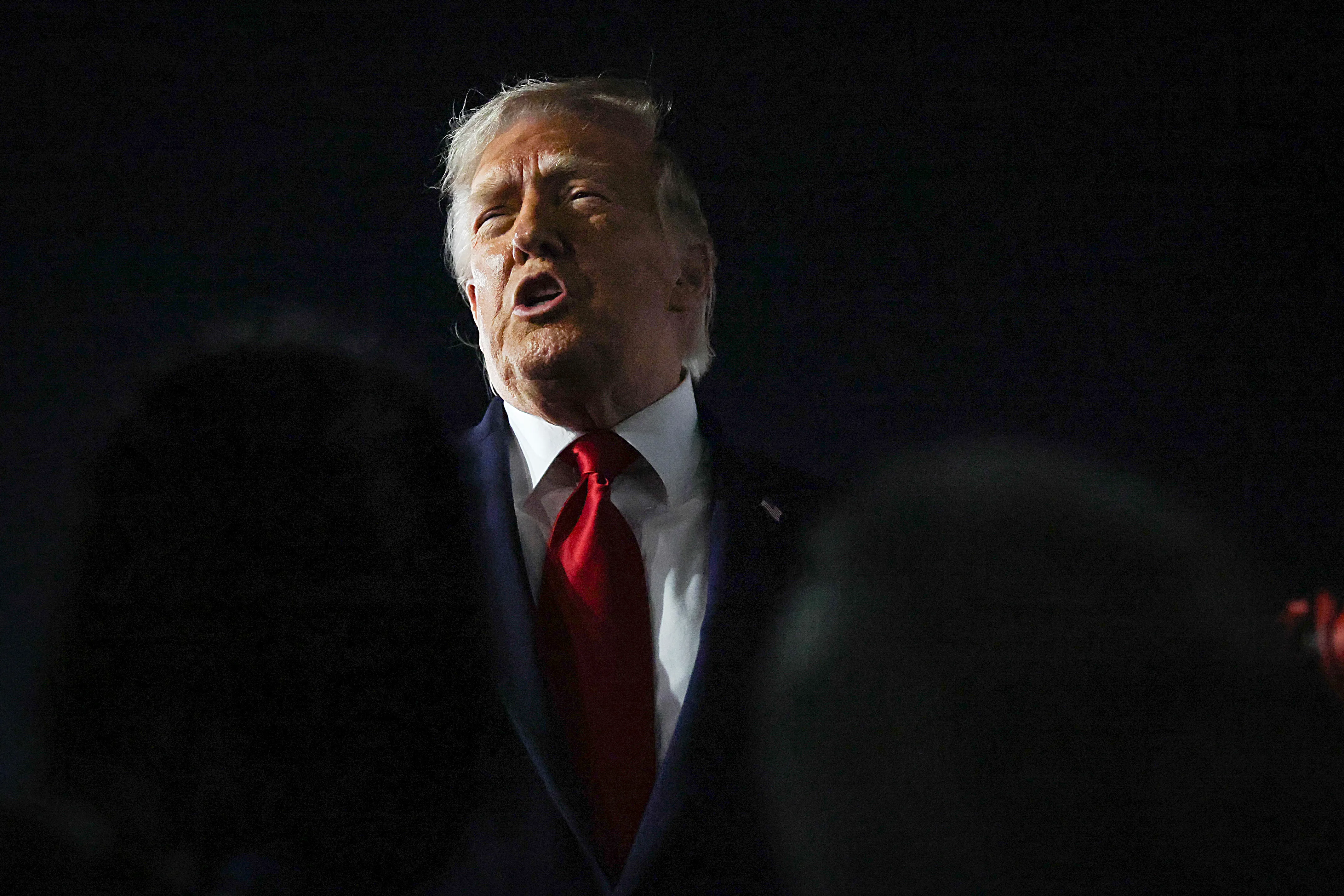
Donald Trump has threatened to impose 100% tariffs on European countries that charge a digital services tax, escalating a long-running trade fight over how governments tax American technology companies.
The threat revives a dispute that has simmered since several European nations began applying levies on the local revenues of large tech platforms, a move Washington has consistently framed as discriminatory against U.S. companies. Firms like Google, Apple, Meta, and Amazon have lobbied hard against these taxes, and Trump has repeatedly positioned himself as their defender on the global stage.
A digital services tax, in plain terms, is a charge that a government applies to revenue a tech company earns within its borders, usually on digital advertising, online marketplaces, or data services. Unlike a standard corporate income tax, it targets gross revenue rather than profit, which critics argue penalises companies regardless of whether they are actually making money in that country. European countries introduced these taxes partly because existing international tax rules allowed large multinationals to book profits in low-tax jurisdictions while doing most of their actual business elsewhere.
One significant complication looms immediately: a U.S. Supreme Court ruling earlier in 2026 struck down part of the legal framework that had previously underpinned the president's tariff authority. It was not immediately clear under what legal authority Trump could now impose a 100% tariff specifically tied to another country's tax policy. That uncertainty matters because any tariff order that lacks a clear statutory basis is vulnerable to legal challenge, and American importers affected by it could seek court relief quickly.
This is not the first time a U.S. administration has used tariff threats to push back on European digital taxes. The Trump administration's first term saw the Office of the United States Trade Representative formally investigate digital services taxes in France and several other countries, and tariffs were threatened then too, before negotiations paused. The current threat appears to follow a similar playbook but arrives in a more legally constrained environment.
A 100% tariff, if enacted and surviving legal scrutiny, would effectively double the cost of covered European goods entering the U.S. market. That is a dramatic enough penalty to force a genuine response from affected governments, most of whom rely on significant trade flows with the United States. The threat is therefore as much a negotiating instrument as a policy announcement.
For European governments, dropping or pausing a digital services tax under American pressure carries its own political cost. These taxes are often popular domestically as a way to ensure that profitable tech giants pay something to the countries where they earn their revenues. Walking them back looks like capitulation to U.S. corporate lobbying.
For U.S. tech companies, the tariff threat is a direct benefit, at least in the short term. If European governments back down, the companies avoid a meaningful cost on revenues from some of their largest markets. European digital advertising and e-commerce markets are substantial, and even a modest percentage levy on gross revenues can translate into hundreds of millions of dollars annually for the largest platforms.
The broader context is an ongoing global effort, led partly through the OECD, to create a unified international tax framework that would make country-by-country digital taxes unnecessary. Progress on that framework has repeatedly stalled, and the U.S. under Trump has shown limited enthusiasm for multilateral tax deals that constrain American companies. European countries introduced their own unilateral taxes partly as a pressure tactic to force that global agreement forward, but the strategy has also kept the bilateral tension alive.
What to watch next: whether the White House specifies the legal mechanism for the proposed tariff, whether any European government signals a willingness to negotiate, and whether affected tech companies publicly endorse or distance themselves from the threat. The gap between a presidential statement and an enforceable tariff order remains wide, particularly given the Supreme Court's recent curtailment of executive trade authority.
Qatar's foreign ministry said mediators including Qatar, Pakistan, and Oman have reached "very progressive stages" in efforts to end the US-Iran war, pushing Brent crude down more than four percent.
Qatar confirmed it is mediating between the US and Iran but said no direct talks are currently planned. The clarification follows conflicting statements from President Trump, who claimed talks are under way, and Tehran, which denied any dialogue is happening.
Saudi Aramco reported sharply higher second-quarter 2026 profits as the Iran war restricts global oil supply and pushes crude prices up. Other oil supermajors also posted outsized earnings, raising concerns about sustained fuel cost pressure for importing economies.
President Trump called current Iran negotiations the "last chance" to end five months of conflict, pushing oil prices higher. Tehran denied formal talks are taking place, raising the risk of a diplomatic breakdown with direct consequences for global energy markets.