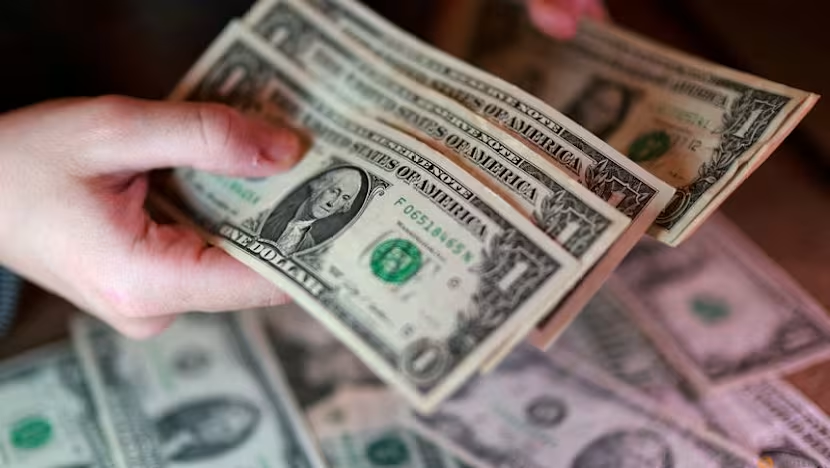
The US dollar is on track for a weekly loss after reports emerged of a potential ceasefire deal between the United States and Iran, a development that shifted investor appetite away from safe-haven assets and toward riskier positions.
The dollar tends to strengthen during periods of geopolitical tension, as global investors park money in US assets when uncertainty rises. A credible signal that US-Iran hostilities may ease removes some of that pressure, prompting traders to unwind those defensive positions and sell dollars.
Iran sits at the center of global oil supply routes, particularly the Strait of Hormuz, through which a significant share of the world's seaborne crude passes. Any easing of conflict risk in the region tends to reduce the geopolitical premium baked into energy prices and, in turn, shifts currency flows. When war risk falls, the dollar's safe-haven premium tends to fall with it.
What This Means for Markets
A weaker dollar has broad ripple effects across global markets. Commodities priced in dollars, including oil and gold, typically become cheaper for buyers using other currencies, which can support demand. Emerging market currencies and assets often benefit as well, since a softer dollar reduces the cost of servicing dollar-denominated debt for countries and companies outside the US.
For currency traders, the key question is whether the ceasefire reports reflect a durable diplomatic shift or a temporary pause. If talks collapse or tensions re-escalate, the dollar could quickly recover its weekly losses as risk appetite retreats. Markets are effectively pricing in a probability, not a certainty, of reduced conflict.
The timing also matters in a broader context. The dollar has faced pressure from multiple directions in recent months, including shifting expectations around US interest rate policy. A geopolitical catalyst that adds to selling pressure can accelerate moves that were already building for separate reasons.
What to Watch Next
Confirmation or denial of the ceasefire terms will be the immediate trigger to watch. Official statements from Washington or Tehran, or the absence of them, will tell markets how seriously to price this development. If a formal agreement is announced, dollar weakness could extend further as risk assets rally. If the reports prove premature or inaccurate, expect a partial reversal.
Oil markets will also signal how seriously traders are taking the news. A sustained drop in crude prices alongside dollar weakness would suggest markets believe the de-escalation is real. Steady or rising oil prices would hint at skepticism about the deal's durability.
For investors with exposure to emerging market debt, Asian currencies, or commodity-linked assets, a confirmed US-Iran agreement would be a meaningful tailwind, at least in the near term. The dollar's direction in the coming sessions will depend heavily on how the diplomatic picture clarifies over the weekend.