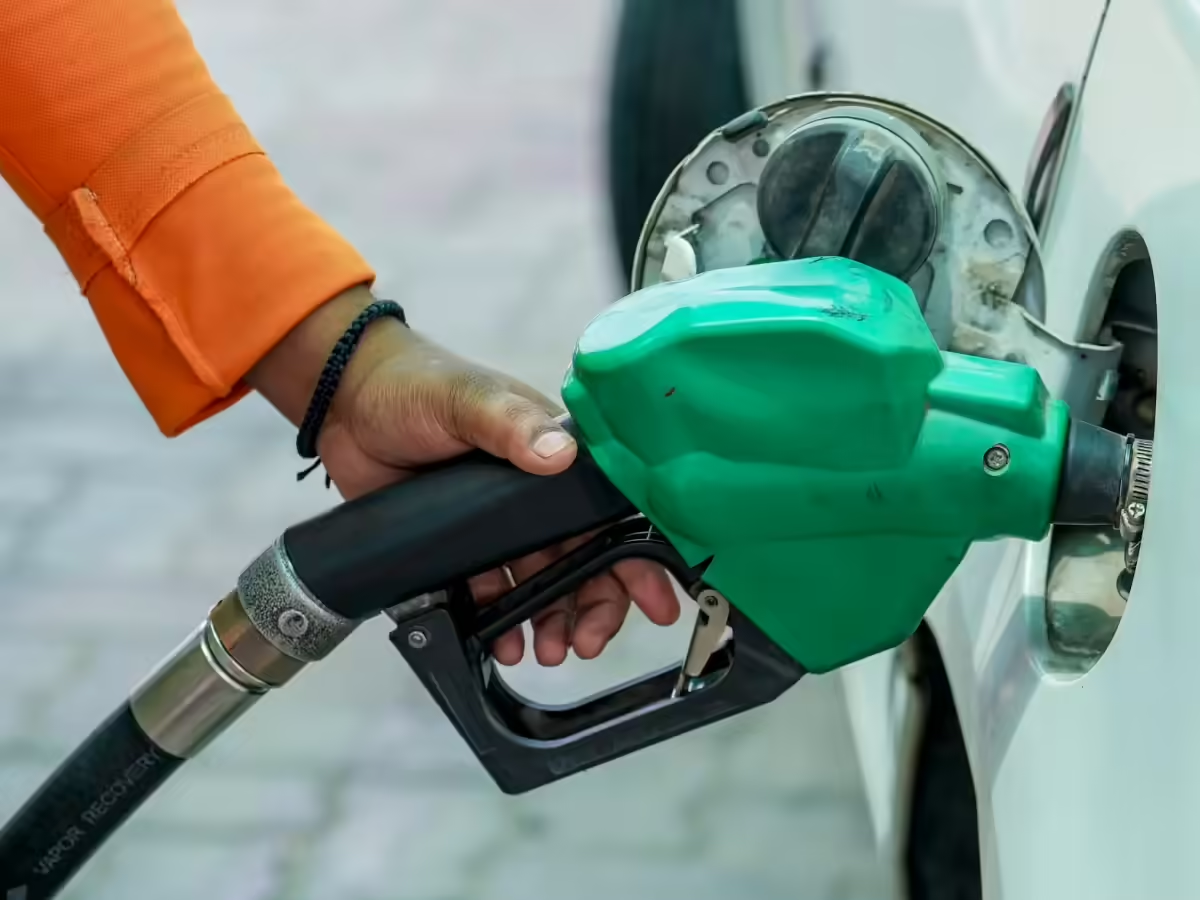
Fuel prices in India have risen for the fourth time in less than two weeks, with both petrol and diesel rates moving higher again. The repeated hikes reflect sustained pressure from rising global crude oil prices, driven by geopolitical tensions following the outbreak of conflict involving Iran.
The pace is notable. Four increases in under a fortnight signals that oil marketing companies are no longer absorbing losses quietly. State-run fuel retailers had been taking significant daily financial hits by holding prices below their actual cost of supply, a gap that widened sharply as crude surged after the conflict began.
Why Prices Are Rising Now
India imports a large share of its crude oil needs, which means global price swings feed directly into what refiners pay. When international crude prices rise fast, the cost to produce a litre of petrol or diesel climbs with it. Normally, oil marketing companies can absorb short gaps between their cost and the retail price they charge. But when crude stays elevated and the gap grows large, the daily losses mount quickly and become unsustainable.
That appears to be the mechanism at work here. Rather than wait for a single large correction, companies have passed on costs in successive smaller steps. This approach spreads the impact across consumers gradually but also signals that the underlying crude price pressure has not eased.
India has historically used a combination of government policy and oil company balance sheets to cushion consumers from volatile global energy markets. That buffer has limits. When international prices rise sharply and stay there, the protection eventually gives way, as it appears to be doing now.
What This Means for Consumers and the Broader Economy
Fuel price increases ripple quickly through daily costs. Transport, logistics, and farm machinery all run on diesel. When diesel gets more expensive, freight costs rise, which pushes up prices on goods moving across the country. Petrol price hikes hit commuters and small business owners directly.
Four increases in rapid succession compress household budgets faster than a single large revision would, because there is little time to adjust spending between each step. For businesses that run fleets or depend on ground transport, margin pressure builds with each successive hike.
The broader inflation picture is also relevant. India's central bank watches fuel prices closely because energy feeds into headline consumer price inflation. A sustained run of fuel hikes could influence the trajectory of monetary policy, though the connection is indirect and depends on how long elevated prices persist.
Geopolitical risk tied to Iran also affects India's oil supply choices. India has sourced crude from Iran in the past and maintains diverse import relationships, but sustained conflict in the region tightens supply options and keeps risk premiums elevated in global markets.
The key question now is whether crude prices stabilise or continue rising. If the conflict broadens or persists, further fuel price increases cannot be ruled out. If crude retreats, oil companies may pause hikes or eventually offer partial relief. For now, the direction has been one way only since the conflict began, and consumers have seen four increases with no sign yet of a reversal.