Cult.Fit has filed draft IPO papers with the Securities and Exchange Board of India to raise Rs 950 crore through a fresh share issue, marking a significant step for one of India's largest organised fitness chains toward a public market debut.
The draft red herring prospectus lays out a clear capital deployment plan. Of the Rs 950 crore, roughly Rs 276.6 crore goes toward opening new fitness centres, Rs 217.5 crore covers lease payments on existing locations, Rs 120 crore repays borrowings, Rs 75 crore funds marketing, and Rs 23.4 crore expands the Cultsport retail store network. The spending plan reflects the company's core challenge: growing a capital-heavy, lease-driven physical network while keeping costs under control.
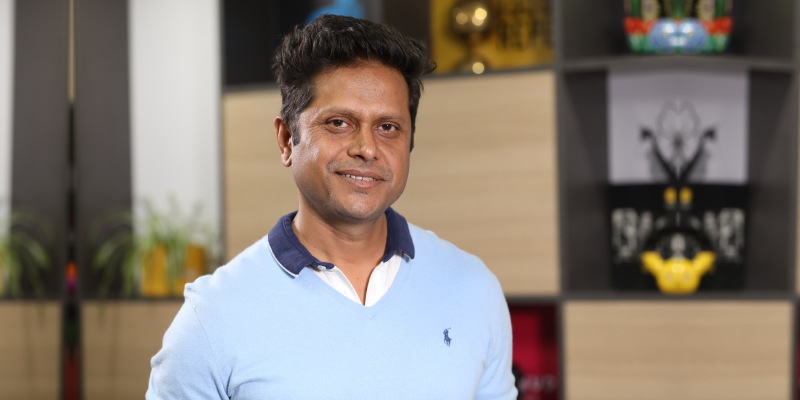
Alongside the fresh issue, existing shareholders are selling about 178.6 million shares through an offer for sale. Sellers include Temasek-backed MacRitchie Investments, Fitness First Luxembourg, IDG Ventures, founder Mukesh Bansal, Tata Digital, Chiratae Ventures, Bruno Raschle, Schroders Private Equity, and Accel. The company has no identifiable promoter and is professionally managed, a structure now standard among venture-backed consumer tech businesses.
Revenue surging, losses narrowing fast
Cult.Fit's financials tell a story of rapid scaling and improving unit economics. Revenue from operations rose from Rs 926.7 crore in FY24 to Rs 1,215.5 crore in FY25 and reached Rs 1,720.6 crore in FY26, a 41 percent jump in the latest year alone. Net losses fell sharply over the same period, from Rs 888.5 crore in FY24 to Rs 480.8 crore in FY25 and further to Rs 251.9 crore in FY26. Loss before tax narrowed to Rs 249.9 crore in FY26 from Rs 888.1 crore two years earlier.
Services, primarily gym memberships and in-centre offerings, generated Rs 1,197.8 crore in FY26 and accounted for nearly 70 percent of revenue. The products segment, covering fitness equipment, apparel, and accessories sold through stores and online channels, brought in Rs 522.8 crore and grew faster than services during the year. That shift suggests Cult.Fit is building a broader consumer fitness brand, not just operating gyms. Cash and cash equivalents rose to Rs 235 crore from Rs 93 crore a year earlier, improving liquidity ahead of further expansion.
According to the DRHP, Cult.Fit was India's largest fitness service provider as of March 2026, operating more than four times as many centres as the second largest player and generating 14 to 18 times that competitor's revenue in FY25. The company estimated its share of India's fragmented fitness services market at 4 to 6 percent.
Why it matters and what comes next
The IPO arrives as organised fitness gains ground among new user groups. The DRHP notes that nearly 46 percent of paid users were first-time gym goers when they joined the platform, and around one-third of paying members are women. Both figures point to market expansion beyond the traditional fitness consumer, which supports the growth thesis behind the listing.
Investors will need to weigh that opportunity against several structural risks. The company is still loss-making, and its cost base is anchored by large lease commitments across its centre network. Those fixed costs do not move with membership levels, so any slowdown in subscriber growth or a dip in consumer spending could squeeze margins quickly. The company also depends on ongoing investment in marketing, technology, and new locations to maintain momentum.
Competition adds another layer of complexity. India's fitness market remains fragmented across local gyms, boutique studios, franchise chains, digital platforms, and international operators. Expanding into Tier II cities, which the company identifies as a growth priority, may mean longer customer acquisition timelines, tighter pricing, and slower payback periods. Maintaining consistent service quality across a rapidly growing network is an operational risk the DRHP explicitly flags.
Regulatory changes and rising compliance requirements are listed as additional variables. The path to profitability is clearer than it was two years ago, but the IPO essentially asks public market investors to price in that journey reaching a profitable end.