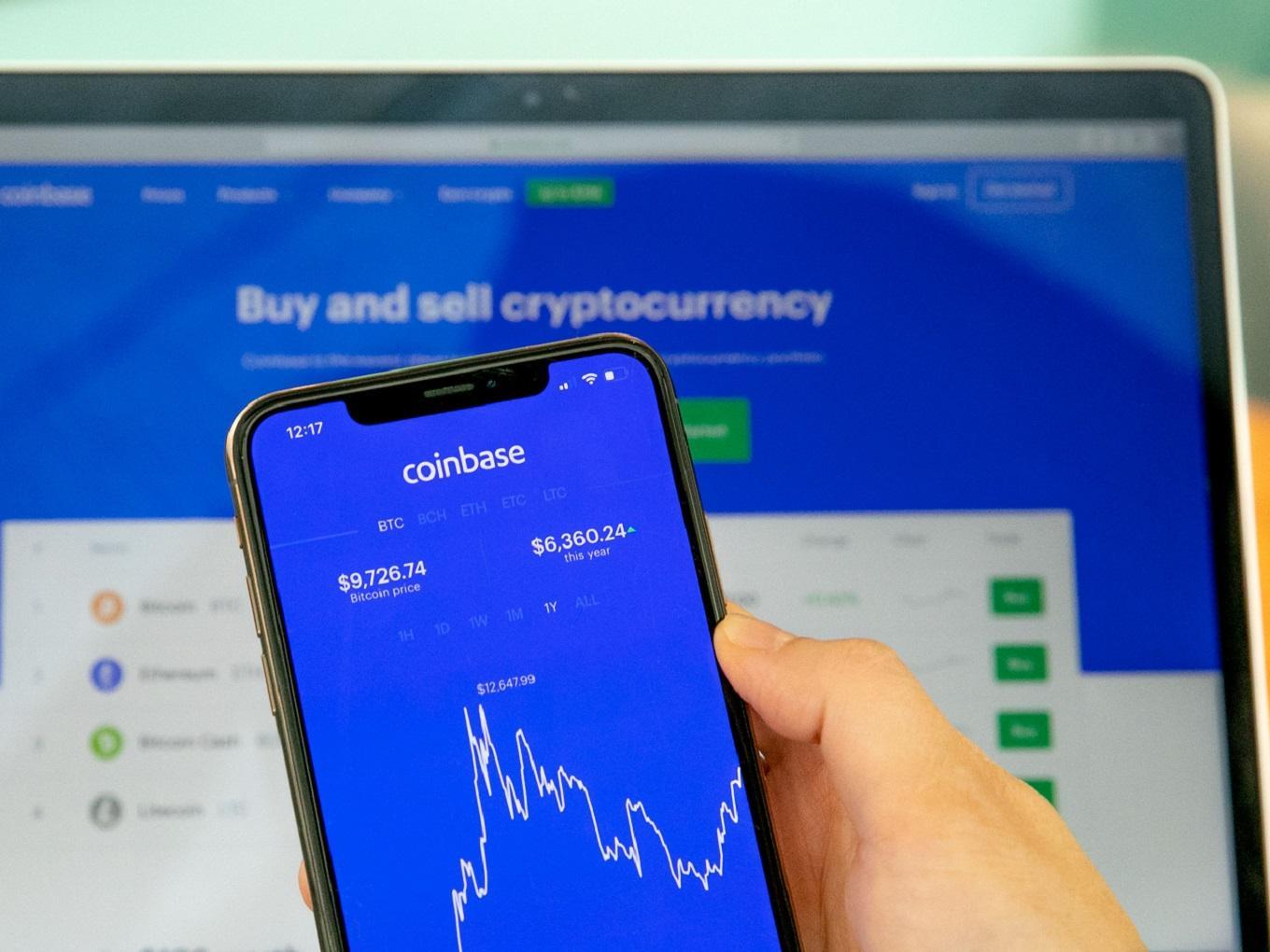
Coinbase, one of the world's largest cryptocurrency exchanges and a Nasdaq-listed company, has relaunched its platform in India with direct Indian rupee trading after a two-year absence. Indian users can now deposit and withdraw funds straight from their bank accounts using IMPS, the country's Immediate Payment Service, and trade a range of crypto assets through local INR order books.
The exchange exited India in 2023 as regulatory pressure around digital assets intensified. It returned to legal standing in March last year when India's Financial Intelligence Unit granted it the licence required to operate as a registered crypto exchange. The relaunch follows that clearance and marks a full commercial return rather than just a regulatory footprint.
The INR rail is the most significant practical change for Indian users. Previously, cryptocurrency investors in India had to use peer-to-peer networks or third-party intermediaries to fund exchange accounts, because banks routinely refused to work with crypto platforms citing their unclear regulatory status. That process was slow and exposed users to scam risk and account freezes. Direct IMPS integration removes that friction entirely, connecting Coinbase accounts to standard bank infrastructure for the first time.
What Coinbase Is Offering
Beyond basic spot trading, Coinbase is targeting institutional traders alongside retail users. The platform offers perpetual futures contracts on major crypto assets, institutional-grade APIs, WebSocket order book streaming, TradingView charting integration, and multiple order types. John O'Loghlen, Coinbase's head of APAC, said the company has built dedicated local INR liquidity pools rather than routing Indian orders through global books, which should reduce slippage for rupee-denominated trades.
During its two-year pause from direct trading, Coinbase kept building an India presence through investments. It doubled down on its stake in Indian exchange CoinDCX in October last year and is reportedly in talks to acquire a minority position in the same company. That strategy gave it market intelligence and relationships while its own licence was pending.
A Crowded but High-Growth Market
Coinbase is entering a market that is simultaneously fast-growing and heavily taxed. India's crypto market is projected to grow from $3.04 billion in 2025 to $14.21 billion by 2034, a compound annual growth rate of 18.66%. That growth is drawing global platforms back in force. BitDelta launched in India last month, while Binance and Bybit have each secured FIU licences recently and are working to re-establish operations.
The tax environment remains a serious drag on trading volumes, however. Crypto gains in India are taxed at a flat 30% capital gains rate, and every transaction attracts a 1% tax deducted at source. That TDS requirement effectively reduces available capital with each trade and has historically pushed high-frequency traders toward offshore or informal alternatives.
The regulatory picture is also unsettled. Cryptocurrencies remain unregulated as an asset class in India, meaning there is no consumer protection framework, no clear insolvency process, and no formal rules on exchange conduct beyond the FIU's anti-money-laundering requirements. A parliamentary standing committee on finance recently classified crypto as a high-risk category, citing money laundering, trafficking, radicalisation, and suspicious transaction patterns as active concerns. That classification does not change the current rules but signals the direction of political sentiment toward tighter oversight.
For investors, the Coinbase relaunch offers a regulated, bank-linked entry point into crypto trading that did not exist in India before. The practical convenience of IMPS deposits and withdrawals, combined with a globally recognised platform and institutional tools, may pull volume away from informal channels and smaller local exchanges. Whether that translates into sustained growth will depend on how quickly India's regulatory framework evolves and whether the heavy tax burden is revised in future budgets.