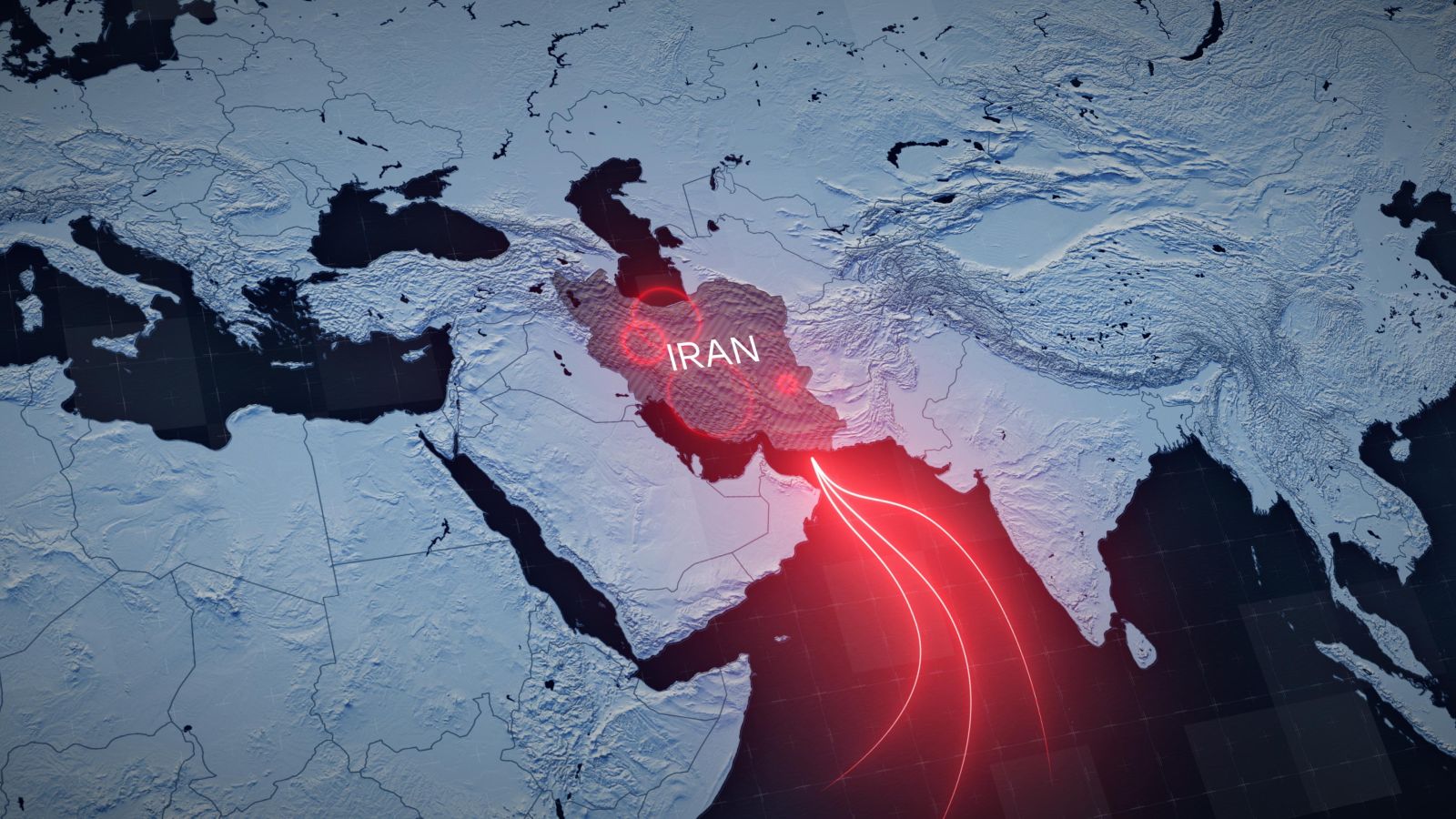
Crude oil prices surged on fears that the Strait of Hormuz could remain closed for an extended period. The Strait of Hormuz is the world's most critical oil shipping lane, connecting Gulf producers like Saudi Arabia, Iraq, Kuwait, and the UAE to global markets. Roughly one-fifth of all oil traded globally passes through it each day. Any prolonged blockage would sharply cut the volume of crude reaching refiners in Asia, Europe, and the US. When supply tightens that fast, prices move up quickly. Higher crude prices feed through to fuel costs for consumers and businesses within weeks. Refiners face margin pressure if they cannot pass costs on, and energy-importing economies face wider trade deficits. Markets will now watch for any diplomatic or military developments that signal how long a closure could last, and whether major producers have spare pipeline or export capacity to route oil around the strait.
The Indian government has launched an OFS to sell up to 6.5% of its LIC stake, opening for non-retail investors on August 4, 2026, at a floor price of Rs 382 per share, about 11% below Monday's close. The discounted offering is likely to pressure LIC shares in the near term as supply increases sharply.
More than a dozen major Indian companies including Bharti Airtel, ONGC, Pidilite, Nykaa, DLF, and Ather Energy report April-June 2026 earnings on August 4. Results span telecom, energy, consumer goods, real estate, and EV sectors, giving markets a broad read on corporate health mid-earnings season.
Amazon shares hit a new all-time high Monday, pushing its market cap above $3 trillion following a sustained post-earnings rally. The milestone places Amazon among the very few companies globally to reach this valuation, with investor focus on AWS and advertising growth driving the move.
Sensex Gains 500 Points as Oil Falls on Iran Talks
The Sensex rose around 500 points and the Nifty crossed 24,500 on Monday after Donald Trump announced talks with Iran, pushing oil prices lower. IndiGo, ITC, FMCG, and metals led the gains as cheaper crude eased cost and inflation concerns.