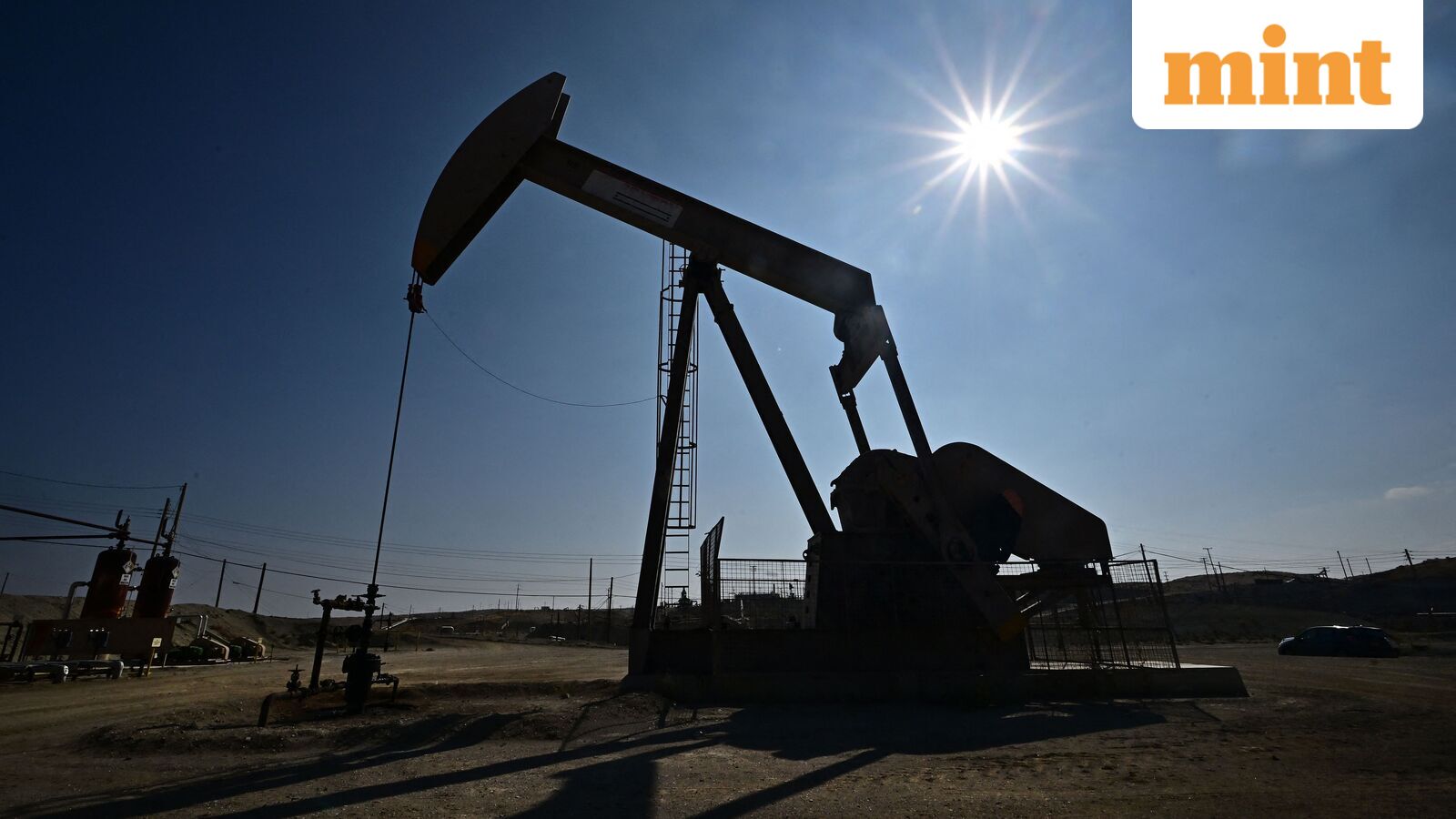
Brent crude climbed to $111.59 a barrel on May 1, driven by mounting tensions between the US and Iran and continued disruption to oil supply through the Strait of Hormuz. The Strait of Hormuz is a narrow waterway through which a large share of global oil flows, making any blockage there a direct threat to supply worldwide. Prices have now topped $120 a barrel for the first time in four years, a level that analysts say is stoking broader inflation fears. When oil costs this much, it feeds into higher fuel, transport, and manufacturing costs across most economies. The immediate concern is whether the supply disruption holds or deepens. If the Strait remains blocked and US-Iran tensions escalate further, prices could stay elevated for an extended period, adding pressure to central banks already fighting inflation. Traders and policymakers will be watching any diplomatic movement closely.
Indian startups raised $5.2 billion across 501 deals in H1 2026, down 9% in value but up 7% in deal count year-on-year, per the Inc42 Indian Tech Startup Funding Report. The drop is driven by fewer mega-rounds, while AI funding surged 317% and growth-stage deal activity hit a multi-year high.
The BSE Sensex fell 893 points and the Nifty 50 shed 279 points on June 30, 2026, wiping out roughly Rs 6 lakh crore in investor wealth in a single session. Both indices dropped 1.16%, closing at 76,200.68 and 23,824.10 respectively.
Kotak Mahindra Bank shares fell nearly 3% to Rs 397.6 after CEO Ashok Vaswani announced plans to exit the bank. Investor concern now centres on succession timing and whether the bank's ongoing digital and deposit-growth strategy will stay on track.
South Korea's Kospi dropped 3% at Monday's open while Japan's Nikkei fell 1%, as escalating US-Iran conflict triggered a broad risk-off move across Asian markets. South Korea's heavy reliance on Middle East oil imports makes it especially vulnerable to geopolitical shocks of this kind.