India to Restore UPI Merchant Fees, PhonePe Gains Most
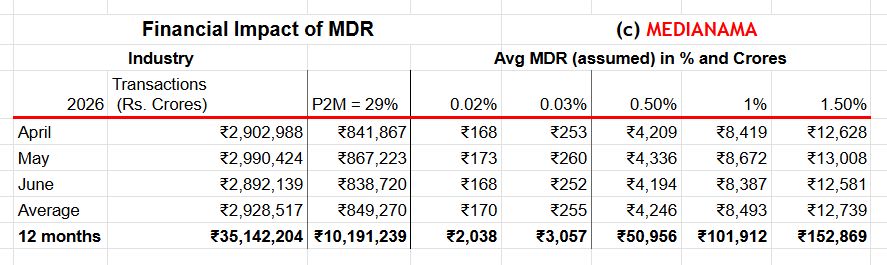
India's government plans to amend the Payment and Settlement Systems Act to restore UPI merchant discount rates, ending the zero-MDR regime in place since January 2020.
Key Takeaways
May 7, 2026 · 2 min read · By Rishabh Bhardwaj
·
AI-assisted, human-reviewed · Our editorial standards
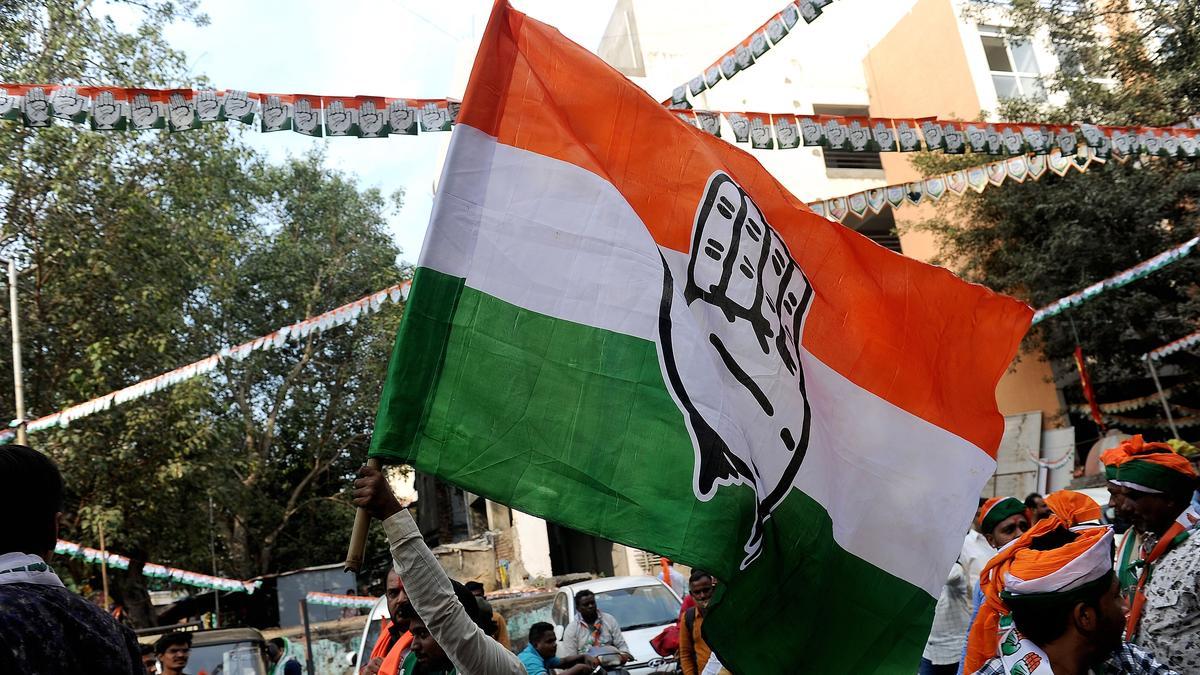
Kerala's Congress Legislature Party has handed the choice of the next Chief Minister to the party's central leadership, known as the High Command, following a meeting of newly elected MLAs. The move shifts decision-making power from the state unit to New Delhi, which is standard Congress practice when the internal contest is too close to call at the state level.
Three names are in active contention: Ramesh Chennithala, a senior Congress veteran with deep roots in Kerala politics; K.C. Venugopal, the AICC General Secretary who carries significant influence with the central leadership; and V.D. Satheesan, the outgoing Leader of Opposition who led the party's campaign in the state. All three are reported to be in active outreach to MLAs to consolidate support before the High Command makes its call.
Delegating the CM pick to the AICC observers and central leadership is a double-edged move. It prevents an open factional split among Kerala MLAs but also means the final choice will reflect Delhi's strategic calculations as much as ground-level support within the state unit. AICC observers have already begun meeting legislators individually, a process designed to gauge MLA sentiment without triggering a formal floor contest.
Each of the three contenders brings a different profile. Chennithala has the longest organisational experience in Kerala and has been CM before. Venugopal's proximity to the Nehru-Gandhi family gives him an edge in High Command arithmetic. Satheesan's recent performance as Leader of Opposition in a tough political cycle has earned him credibility within the legislature party.
The pace of the AICC observers' MLA meetings will signal how quickly the High Command intends to move. A quick announcement would suggest one name has already built a decisive lead; a prolonged process would point to a tighter contest requiring central arbitration. The chosen CM will also face the immediate task of cabinet formation, where balancing regional, caste, and factional representation within Congress is typically as complex as the CM selection itself.
India's government plans to amend the Payment and Settlement Systems Act to restore UPI merchant discount rates, ending the zero-MDR regime in place since January 2020.
India's government has introduced the Taxation and Other Laws (Amendment) Bill, 2026, proposing changes to payments regulation, income tax, and the Finance Act to attract FDI and support Make in India. The Bill's final shape will depend on parliamentary debate and committee review.
The government's Taxation and Other Laws (Amendment) Bill, 2026, proposes to replace the blanket UPI MDR ban with a system allowing the Centre to notify which payment modes stay fee-free.
Prime Minister Narendra Modi inaugurated the Rs 5,000 crore Bhogapuram greenfield airport in Andhra Pradesh, built under a public-private partnership model. He also laid foundation stones for infrastructure projects worth nearly Rs 18,000 crore in the state, signalling a broad investment push for the region.