
Qatar Signals Progress in US-Iran War Talks
Qatar's foreign ministry said mediators including Qatar, Pakistan, and Oman have reached "very progressive stages" in efforts to end the US-Iran war, pushing Brent crude down more than four percent.
Key Takeaways
May 10, 2026 · 2 min read · By Rishabh Bhardwaj
·
AI-assisted, human-reviewed · Our editorial standards
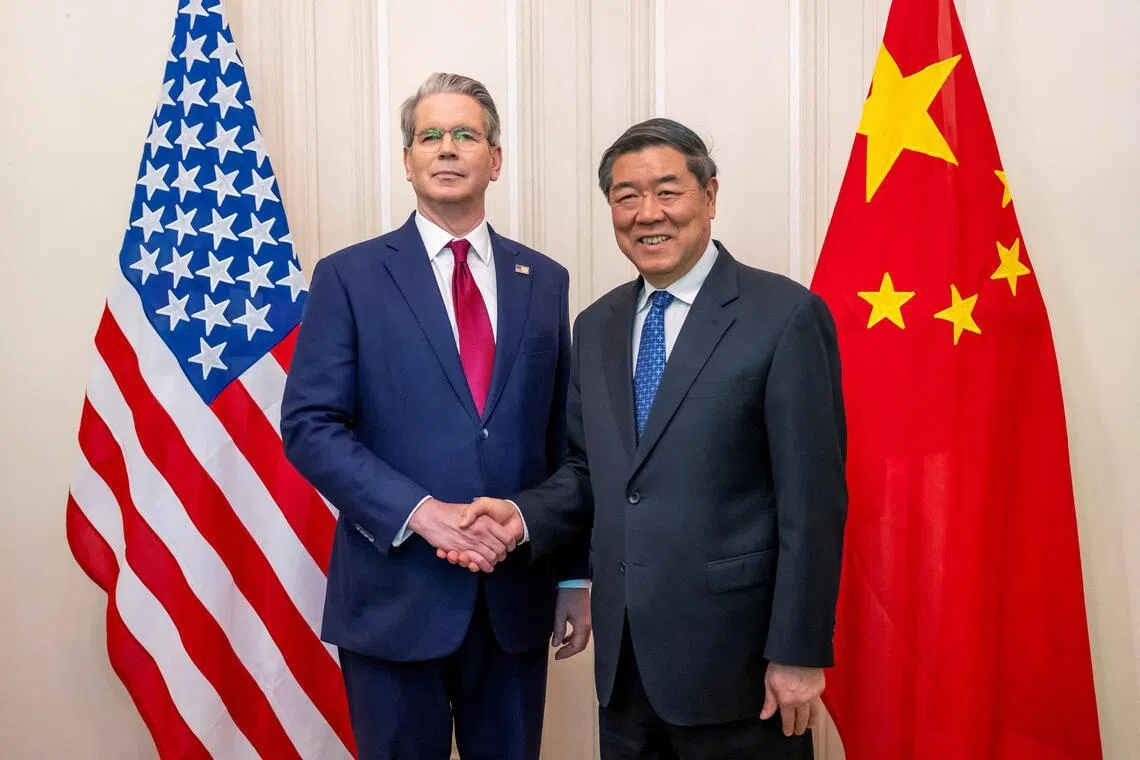
The United States and China are set to hold trade talks in Seoul, South Korea, ahead of a planned summit between President Donald Trump and Chinese President Xi Jinping. US Treasury Secretary Scott Bessent is leading the American side in these discussions, which mark a notable step toward direct high-level engagement between the two largest economies.
The Seoul meeting serves as preparatory groundwork before Bessent travels to Beijing, where broader talks are expected to continue. The choice of Seoul as a neutral venue suggests both sides want structured dialogue before committing to summit-level positions. No specific agenda items have been confirmed in available reporting, but the timing, ahead of a Trump-Xi meeting, signals these are substantive, not ceremonial, exchanges.
Bessent also plans to meet with Japan's prime minister and finance minister before heading to Beijing. That stop adds a trilateral dimension: Japan is a key US ally and a major trading economy deeply affected by any shift in US-China trade arrangements, including tariffs, supply chain rules, or currency dynamics.
US-China trade tensions have shaped global supply chains, technology investment, and commodity prices for years. Any progress, or breakdown, in these talks can reprice sectors from semiconductors to agriculture almost immediately. The Seoul leg, combined with the Japan consultations, suggests Washington is coordinating with allies before sitting down with Beijing, a deliberate sequencing that could affect what concessions the US is willing to offer or demand.
A Trump-Xi summit, if confirmed, would be the highest-level engagement between the two countries in recent memory and could set the tone for trade policy heading into the second half of 2025. Markets tend to react sharply to signals from such meetings, especially on tariff levels, export controls, and access to Chinese markets for US firms.
Watch for any joint statements from Seoul or signals from the Japan meetings about allied coordination on China trade policy. The pace at which Bessent moves from Seoul to Tokyo to Beijing will itself indicate how much progress is being made at each stop.
Qatar's foreign ministry said mediators including Qatar, Pakistan, and Oman have reached "very progressive stages" in efforts to end the US-Iran war, pushing Brent crude down more than four percent.
Qatar confirmed it is mediating between the US and Iran but said no direct talks are currently planned. The clarification follows conflicting statements from President Trump, who claimed talks are under way, and Tehran, which denied any dialogue is happening.
Saudi Aramco reported sharply higher second-quarter 2026 profits as the Iran war restricts global oil supply and pushes crude prices up. Other oil supermajors also posted outsized earnings, raising concerns about sustained fuel cost pressure for importing economies.
President Trump called current Iran negotiations the "last chance" to end five months of conflict, pushing oil prices higher. Tehran denied formal talks are taking place, raising the risk of a diplomatic breakdown with direct consequences for global energy markets.