China is building a national long-term care insurance system, announced in March, targeting coverage for roughly 400 million seniors by 2035. The scale is structurally significant: China's elderly population is the largest in the world, and the absence of a formal, funded care infrastructure has been a mounting fiscal and social pressure point for Beijing. The March announcement signals a shift from fragmented local pilots to a mandated national framework, altering the cost and compliance environment for employers, insurers, and care providers operating across the mainland. Singapore's stake in this buildout reflects its position as a regional hub for healthcare services, elder-care technology, and institutional capital flows into China's care economy. As Beijing formalizes care financing, opportunities will concentrate around care facility operators, medtech firms, and insurers equipped to absorb new policy-driven demand. The 2035 timeline gives investors a decade-long demand curve to underwrite, but execution risk remains tied to enrollment design, benefit standardization, and inter-provincial funding mechanics, details not yet fully disclosed.
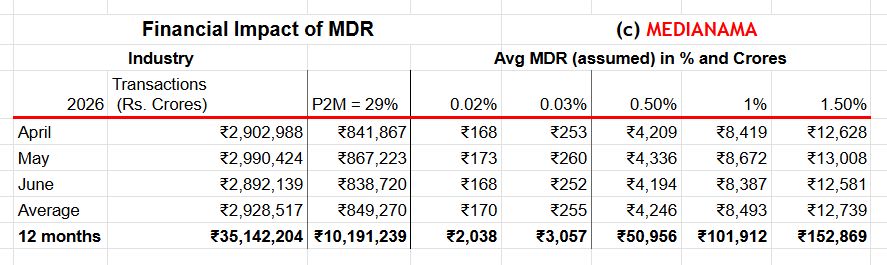
India's government plans to amend the Payment and Settlement Systems Act to restore UPI merchant discount rates, ending the zero-MDR regime in place since January 2020.
India's government has introduced the Taxation and Other Laws (Amendment) Bill, 2026, proposing changes to payments regulation, income tax, and the Finance Act to attract FDI and support Make in India. The Bill's final shape will depend on parliamentary debate and committee review.
The government's Taxation and Other Laws (Amendment) Bill, 2026, proposes to replace the blanket UPI MDR ban with a system allowing the Centre to notify which payment modes stay fee-free.
Prime Minister Narendra Modi inaugurated the Rs 5,000 crore Bhogapuram greenfield airport in Andhra Pradesh, built under a public-private partnership model. He also laid foundation stones for infrastructure projects worth nearly Rs 18,000 crore in the state, signalling a broad investment push for the region.