
Qatar Signals Progress in US-Iran War Talks
Qatar's foreign ministry said mediators including Qatar, Pakistan, and Oman have reached "very progressive stages" in efforts to end the US-Iran war, pushing Brent crude down more than four percent.
Key Takeaways
May 9, 2026 · 2 min read · By Rishabh Bhardwaj
·
AI-assisted, human-reviewed · Our editorial standards
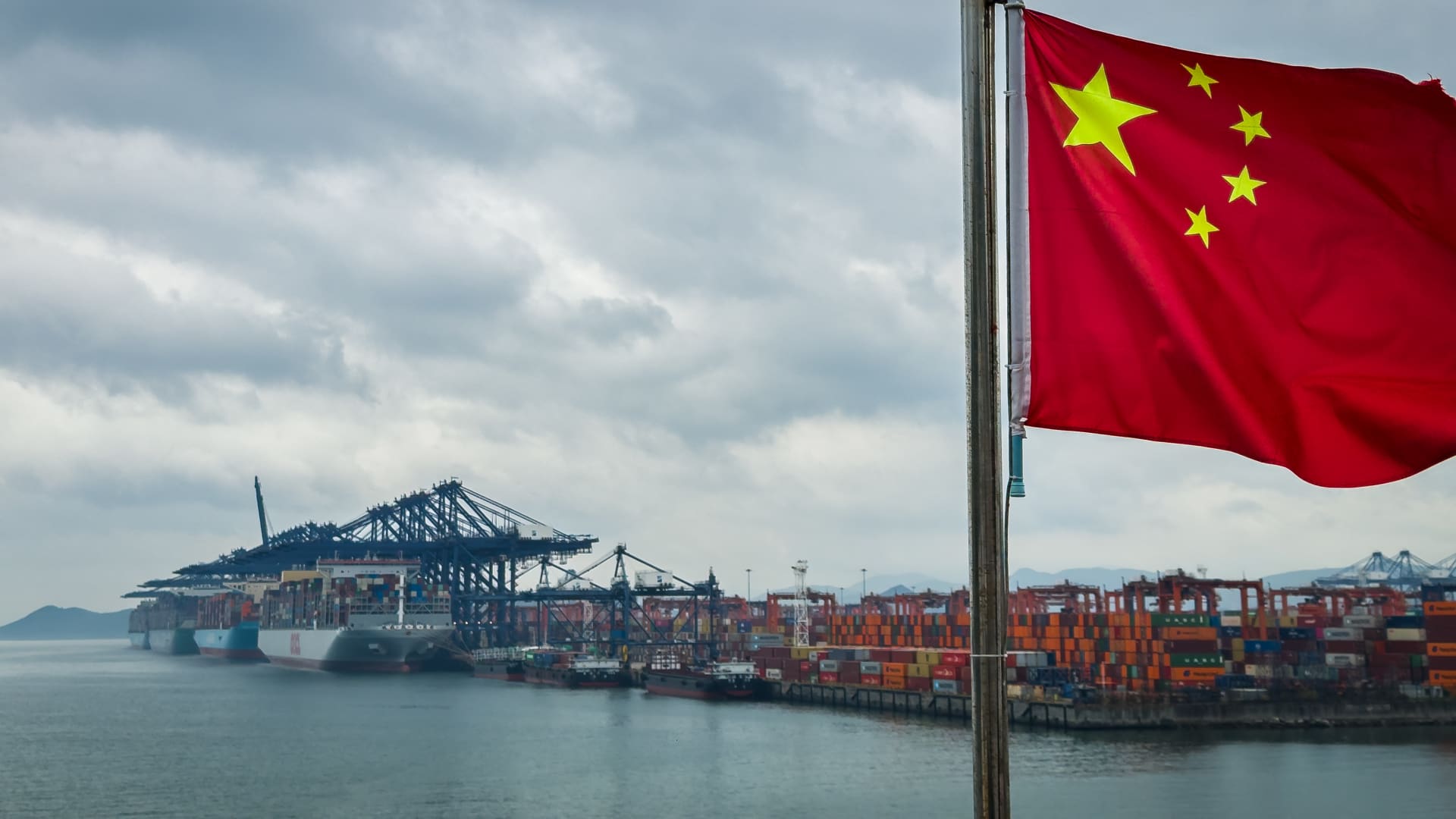
China's exports rebounded strongly in April after a sluggish March, widening the country's trade surplus, according to fresh trade data. The rebound suggests Chinese factories front-loaded shipments ahead of potential disruptions, though headwinds are building on multiple fronts.
April's export growth outpaced March's weak performance, pushing the trade surplus wider. The improvement reflects stronger demand from key trading partners and a rush by exporters to move goods before any further deterioration in global conditions. Import figures, by contrast, remained subdued, which itself contributed to the wider surplus by keeping the outflow of spending on foreign goods relatively low.
Economists are flagging a specific risk: a prolonged Middle East conflict could create mounting challenges for Chinese exporters. The concern runs through several channels. Shipping lanes around the Red Sea and the Gulf of Aden are critical arteries for goods moving between Asia and Europe. Sustained conflict in the region raises freight costs, extends delivery times, and introduces uncertainty that can cause buyers to delay or cancel orders.
Chinese manufacturers are already navigating a complicated global environment. Trade tensions with the United States and Europe, slower consumer demand in key markets, and currency pressures have all weighed on the export sector over the past year. A disruption to Middle East shipping routes would add another cost layer on top of existing pressures, squeezing margins for factories that often operate on thin profit margins.
Front-loading, where exporters rush shipments ahead of expected disruptions or tariff changes, can also distort monthly trade figures. A strong April number may partly reflect this dynamic, meaning the underlying demand picture could be softer than the headline data suggests.
For global markets, China's trade surplus is a closely watched indicator. A widening surplus tends to support the yuan and signals that China's manufacturing sector is still competitive on price. But if the surplus widens mainly because imports are weak rather than exports are strong, it points to sluggish domestic demand, a concern for the Chinese economy and for trading partners hoping China will absorb more of their goods.
Watch for whether May export data holds up, and whether freight rate trends or further Middle East escalation begin to show up in forward orders and shipping volumes.
Qatar's foreign ministry said mediators including Qatar, Pakistan, and Oman have reached "very progressive stages" in efforts to end the US-Iran war, pushing Brent crude down more than four percent.
Qatar confirmed it is mediating between the US and Iran but said no direct talks are currently planned. The clarification follows conflicting statements from President Trump, who claimed talks are under way, and Tehran, which denied any dialogue is happening.
Saudi Aramco reported sharply higher second-quarter 2026 profits as the Iran war restricts global oil supply and pushes crude prices up. Other oil supermajors also posted outsized earnings, raising concerns about sustained fuel cost pressure for importing economies.
President Trump called current Iran negotiations the "last chance" to end five months of conflict, pushing oil prices higher. Tehran denied formal talks are taking place, raising the risk of a diplomatic breakdown with direct consequences for global energy markets.