Kevin Warsh, nominated to lead the Federal Reserve, faces a Senate confirmation hearing in which central bank independence is the defining question. Warsh, a former Fed governor and Wall Street veteran, enters the process under scrutiny over whether he would resist political pressure on monetary policy decisions, a concern sharpened by the current administration's vocal criticism of the Fed's rate posture. The hearing will probe Warsh's views on the appropriate pace of rate cuts, the Fed's balance sheet reduction, and his relationship with the executive branch. Markets are watching closely because the Fed chair's posture on independence directly shapes rate expectations, dollar valuation, and credit conditions across the economy. A nominee perceived as deferential to political preferences could trigger a repricing of inflation risk and long-term Treasury yields. The confirmation timeline and any committee opposition will determine how quickly uncertainty around Fed leadership resolves, with institutional credibility at the center of that assessment.
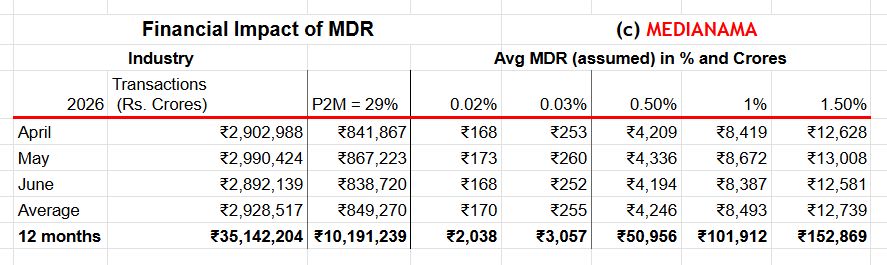
India's government plans to amend the Payment and Settlement Systems Act to restore UPI merchant discount rates, ending the zero-MDR regime in place since January 2020.
India's government has introduced the Taxation and Other Laws (Amendment) Bill, 2026, proposing changes to payments regulation, income tax, and the Finance Act to attract FDI and support Make in India. The Bill's final shape will depend on parliamentary debate and committee review.
The government's Taxation and Other Laws (Amendment) Bill, 2026, proposes to replace the blanket UPI MDR ban with a system allowing the Centre to notify which payment modes stay fee-free.
Prime Minister Narendra Modi inaugurated the Rs 5,000 crore Bhogapuram greenfield airport in Andhra Pradesh, built under a public-private partnership model. He also laid foundation stones for infrastructure projects worth nearly Rs 18,000 crore in the state, signalling a broad investment push for the region.