A reader poses a retirement planning question with wide applicability: can a two-crore corpus sustain a one-lakh monthly Systematic Withdrawal Plan, where annual withdrawals represent exactly 6% of the starting corpus? The underlying logic is that if portfolio returns exceed 6% per annum, the surplus covers inflation and preserves capital over time. The question essentially tests the viability of a 6% withdrawal rate as a retirement rule of thumb in the Indian context. The mechanism depends entirely on sequence-of-returns risk and actual inflation trajectory. If equity-heavy portfolios deliver 10-12% in early retirement years, the math holds comfortably. But a prolonged market downturn in the first five years can permanently impair the corpus, even if long-run average returns appear adequate. A 6% withdrawal rate sits above the globally cited 4% safe withdrawal threshold, making the buffer between returns and withdrawals narrower than conventional planning benchmarks suggest. Investors using this structure should stress-test against low-return, high-inflation scenarios before committing.
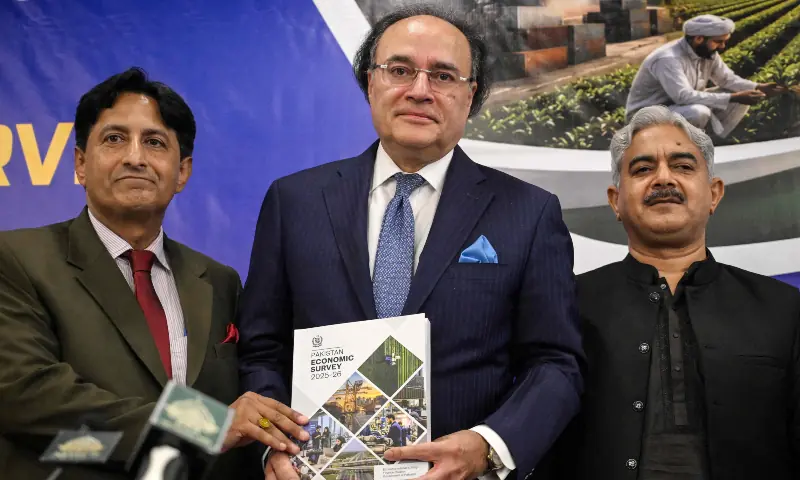
Pakistan's economy grew 3.7 percent in FY2026, its fastest rate in four years, according to the Pakistan Economic Survey presented by Finance Minister Muhammad Aurangzeb. Growth beat last year's 3.18 percent but missed the 4.2 percent target, with floods, regional conflict, and weaker food exports cited as key drags.
The Union government released an additional Rs 1,09,019 crore in tax devolution to states on August 1, 2026, separate from the regular monthly transfer. The lump-sum release aims to accelerate state capital spending in the July-September quarter, with Uttar Pradesh, Bihar, and Madhya Pradesh among the top recipients.
US mortgage rates have risen to a one-year high as markets weigh Federal Reserve rate uncertainty and Middle East conflict-driven inflation fears. Higher rates increase monthly payments for new buyers and are likely to further suppress housing market activity and refinancing.
Pakistan's Sensitive Price Index rose 13.52 percent year on year for the week ending July 2, 2026, marking 45 consecutive weeks of annual gains. Electricity up 49 percent, wheat flour up 68 percent, and LPG up 44 percent year on year are the main drivers.