India to Restore UPI Merchant Fees, PhonePe Gains Most
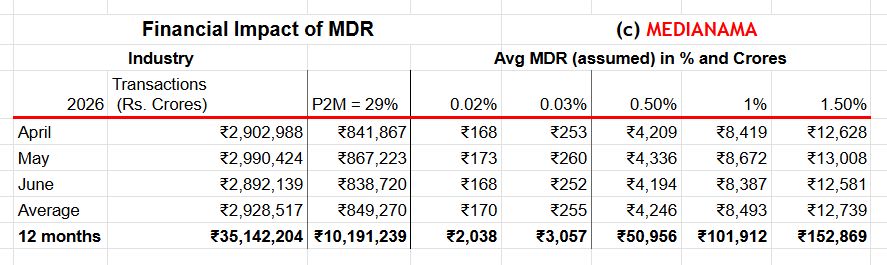
India's government plans to amend the Payment and Settlement Systems Act to restore UPI merchant discount rates, ending the zero-MDR regime in place since January 2020.
Key Takeaways
May 3, 2026 · 2 min read · By Rishabh Bhardwaj
·
AI-assisted, human-reviewed · Our editorial standards
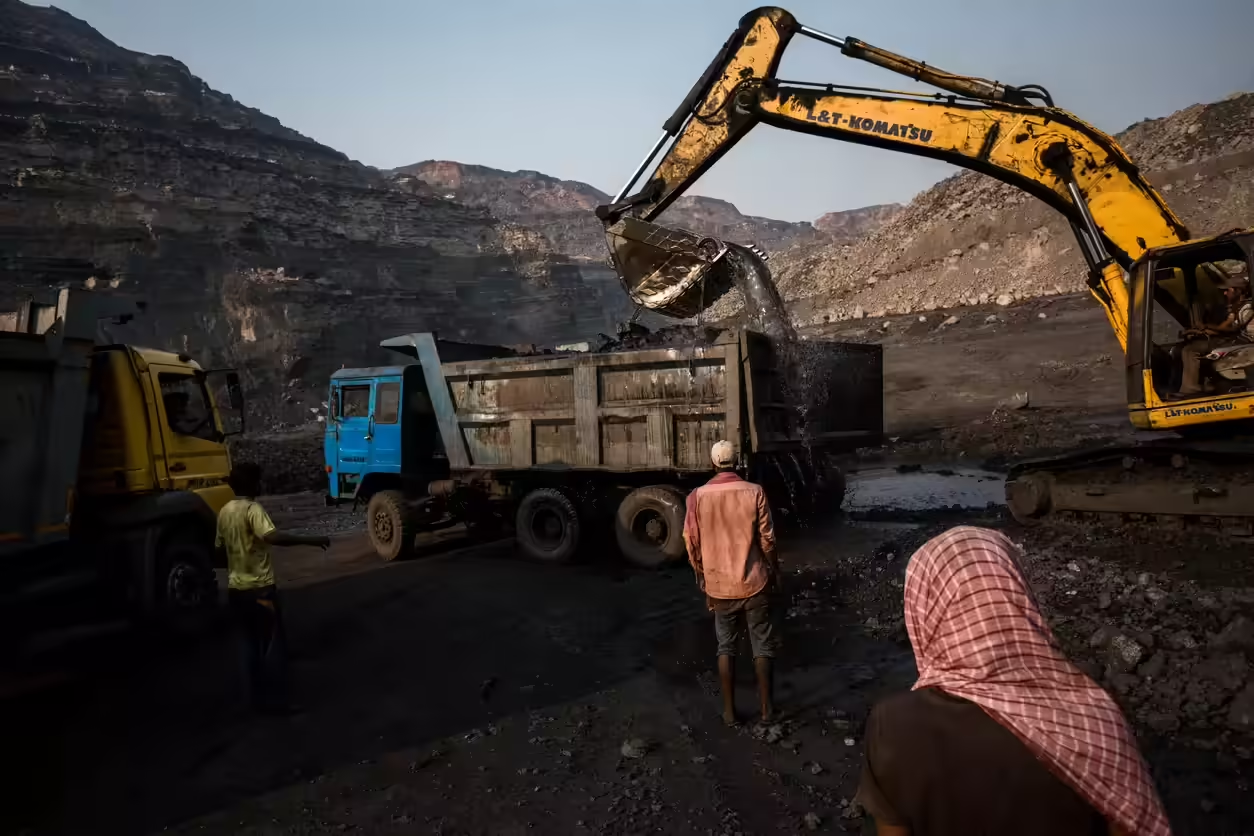
India's Union Cabinet is close to approving a Rs 37,500 crore incentive scheme to push coal gasification projects forward. The scheme is designed to convert domestic coal into synthetic gas, which can then be used to produce chemicals, fertilisers, and fuels, reducing India's need to import liquefied natural gas (LNG) and urea.
Coal gasification is a process that converts solid coal into a gas mixture called syngas. That syngas can substitute for natural gas in industrial processes or be further processed into urea for fertilisers and other chemicals. India currently imports significant volumes of both LNG and urea, which are sensitive to global price swings and supply disruptions.
By incentivising domestic coal gasification, the government is betting that using India's large coal reserves as a feedstock will be cheaper and more reliable than depending on imported gas. The Rs 37,500 crore outlay is structured as an incentive, meaning producers get paid based on output or investment milestones rather than upfront grants.
India's fertiliser subsidy bill has ballooned in recent years, partly because urea production depends on imported natural gas. A domestic syngas supply chain could reduce that cost pressure. Similarly, LNG import dependence exposes Indian industry and power generators to volatile global prices, as seen sharply after 2022.
The scheme also aligns with India's stated goal of monetising its coal reserves beyond power generation. Coal India and private players in the energy and chemicals sector are the most likely beneficiaries, as they have the scale to build gasification plants.
Investors in coal, fertiliser, and industrial chemicals sectors will watch for the Cabinet notification and details on the incentive structure, specifically whether payouts are linked to production volumes, capital expenditure, or both. The rollout timeline and eligibility criteria will determine how quickly private capital moves into this space.
India's government plans to amend the Payment and Settlement Systems Act to restore UPI merchant discount rates, ending the zero-MDR regime in place since January 2020.
India's government has introduced the Taxation and Other Laws (Amendment) Bill, 2026, proposing changes to payments regulation, income tax, and the Finance Act to attract FDI and support Make in India. The Bill's final shape will depend on parliamentary debate and committee review.
The government's Taxation and Other Laws (Amendment) Bill, 2026, proposes to replace the blanket UPI MDR ban with a system allowing the Centre to notify which payment modes stay fee-free.
Prime Minister Narendra Modi inaugurated the Rs 5,000 crore Bhogapuram greenfield airport in Andhra Pradesh, built under a public-private partnership model. He also laid foundation stones for infrastructure projects worth nearly Rs 18,000 crore in the state, signalling a broad investment push for the region.