The U.S. Supreme Court having ruled certain Trump-era tariffs unconstitutional, a federal refund system for affected businesses is set to open Monday. The mechanism provides a formal claims pathway for companies that paid those tariffs and now seek reimbursement from the government. The launch marks the transition from litigation to recovery, with businesses able to submit claims through the newly established process. The practical scope of the refund program, including eligible tariff categories, claim deadlines, documentation requirements, and total government liability, was not specified in available reporting. Businesses operating in tariff-affected sectors should verify eligibility and prepare documentation promptly, as refund windows in similar federal programs have historically carried strict procedural requirements. The broader fiscal exposure to the Treasury will depend on claim volume and the range of tariffs ultimately deemed covered. Compliance and trade counsel will be in high demand as the process opens.
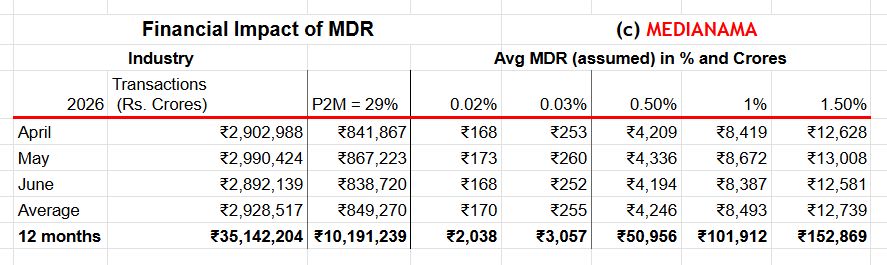
India's government plans to amend the Payment and Settlement Systems Act to restore UPI merchant discount rates, ending the zero-MDR regime in place since January 2020.
India's government has introduced the Taxation and Other Laws (Amendment) Bill, 2026, proposing changes to payments regulation, income tax, and the Finance Act to attract FDI and support Make in India. The Bill's final shape will depend on parliamentary debate and committee review.
The government's Taxation and Other Laws (Amendment) Bill, 2026, proposes to replace the blanket UPI MDR ban with a system allowing the Centre to notify which payment modes stay fee-free.
Prime Minister Narendra Modi inaugurated the Rs 5,000 crore Bhogapuram greenfield airport in Andhra Pradesh, built under a public-private partnership model. He also laid foundation stones for infrastructure projects worth nearly Rs 18,000 crore in the state, signalling a broad investment push for the region.