India's Telecom Regulatory Authority (TRAI) is initiating a comprehensive review of broadcast sector rules covering pricing, distribution, and platform regulations. The move follows sustained criticism of the existing New Tariff Order, which observers say failed to deliver the affordability and transparency it promised. The review signals a potential structural reset for an industry already under pressure from streaming competition. The New Tariff Order, intended to give consumers more control over channel selection and pricing, drew criticism from distributors, broadcasters, and consumer groups alike for creating complexity without meaningfully reducing costs. TRAI's broader review now opens the door to revisions in how channels are bundled, priced, and delivered across cable and direct-to-home platforms. The key variable for broadcasters and distribution platform operators is how aggressively TRAI moves on pricing caps and carriage fee structures. Streaming competition adds urgency: if linear TV economics deteriorate further under tighter regulation, advertising and subscription revenue migration to OTT platforms could accelerate. Watch for TRAI's consultation paper timeline and industry response filings.
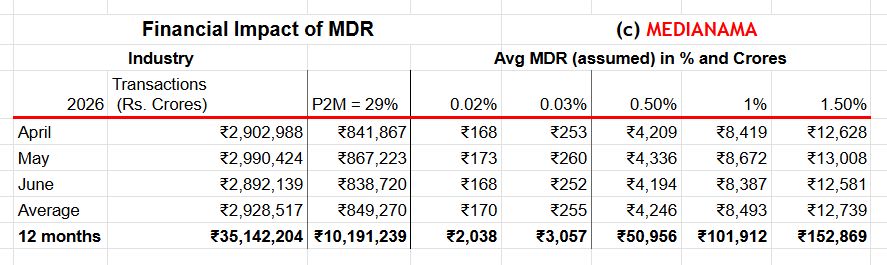
India's government plans to amend the Payment and Settlement Systems Act to restore UPI merchant discount rates, ending the zero-MDR regime in place since January 2020.
India's government has introduced the Taxation and Other Laws (Amendment) Bill, 2026, proposing changes to payments regulation, income tax, and the Finance Act to attract FDI and support Make in India. The Bill's final shape will depend on parliamentary debate and committee review.
The government's Taxation and Other Laws (Amendment) Bill, 2026, proposes to replace the blanket UPI MDR ban with a system allowing the Centre to notify which payment modes stay fee-free.
Prime Minister Narendra Modi inaugurated the Rs 5,000 crore Bhogapuram greenfield airport in Andhra Pradesh, built under a public-private partnership model. He also laid foundation stones for infrastructure projects worth nearly Rs 18,000 crore in the state, signalling a broad investment push for the region.