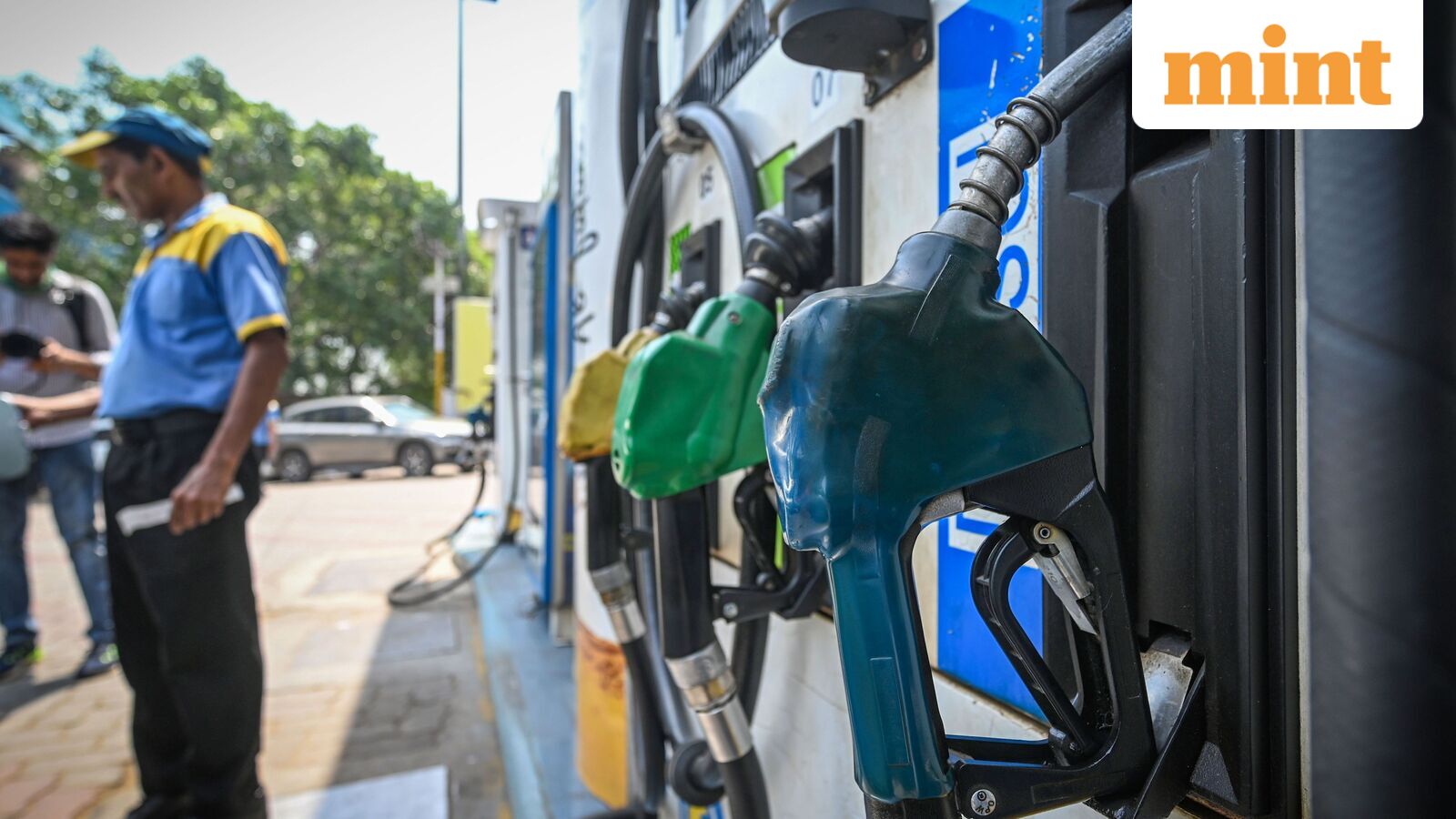
Shares of India's three state-owned oil marketing companies fell sharply on July 8, 2026, as a rebound in crude oil prices revived concerns about margin pressure across the sector. HPCL dropped 5.4%, BPCL fell 4.7%, and IOC declined 3.5%, with investors booking profits after the stocks had recovered from earlier lows.
The trigger was a surge in crude oil prices driven by rising tensions in the Middle East. For oil marketing companies, or OMCs, crude is the primary input cost. When crude prices rise quickly, these companies face a squeeze: they buy oil at higher global prices but often sell fuel domestically at government-influenced retail prices that do not move at the same pace.
Why the margin math is difficult
The core problem for OMCs is the gap between what crude costs them and what they can charge at the pump. The Indian government has historically kept retail prices of petrol and diesel relatively stable to control inflation, which means OMCs absorb the difference when crude spikes. This dynamic, known as under-recovery, has repeatedly hit the profitability of HPCL, BPCL, and IOC in past cycles of high oil prices.
Even without an immediate revision in retail fuel prices, the market reads a crude surge as a forward earnings risk. Investors who had accumulated OMC shares during a period of softer crude prices used this rebound as a moment to exit, compounding the sell-off beyond what the crude move alone might suggest.
Profit booking at this stage also reflects a broader caution. OMC stocks had staged a recovery in recent months, and some investors may have been sitting on gains. A geopolitical shock to oil prices gives a clear and credible reason to reduce exposure, especially in stocks where government pricing policy adds an extra layer of unpredictability to earnings.
What changes next
The key variable to watch is whether crude prices sustain at elevated levels or pull back as Middle East tensions evolve. A prolonged rise in crude without a corresponding hike in domestic fuel prices would directly compress refining and marketing margins at all three companies.
Any government decision on retail fuel price revisions would be the next major catalyst for the sector. A price hike would help OMCs recover margins but adds to consumer inflation. A decision to hold prices steady would protect consumers but keep pressure on company earnings. Neither outcome is certain, and that ambiguity is part of why the market sold off as sharply as it did.
Indian Oil Corporation, BPCL, and HPCL collectively supply the bulk of India's retail fuel. Their financial health has direct links to government finances, since the Centre sometimes compensates OMCs for selling below cost, and to the wider energy sector, where their capex plans affect refinery capacity and petrochemicals investment.
For retail investors already holding these stocks, the near-term outlook depends heavily on two things: the direction of Brent crude over the next few weeks and any signal from the government on pricing policy. Until either clears, the uncertainty is likely to keep sentiment cautious on the entire OMC basket.