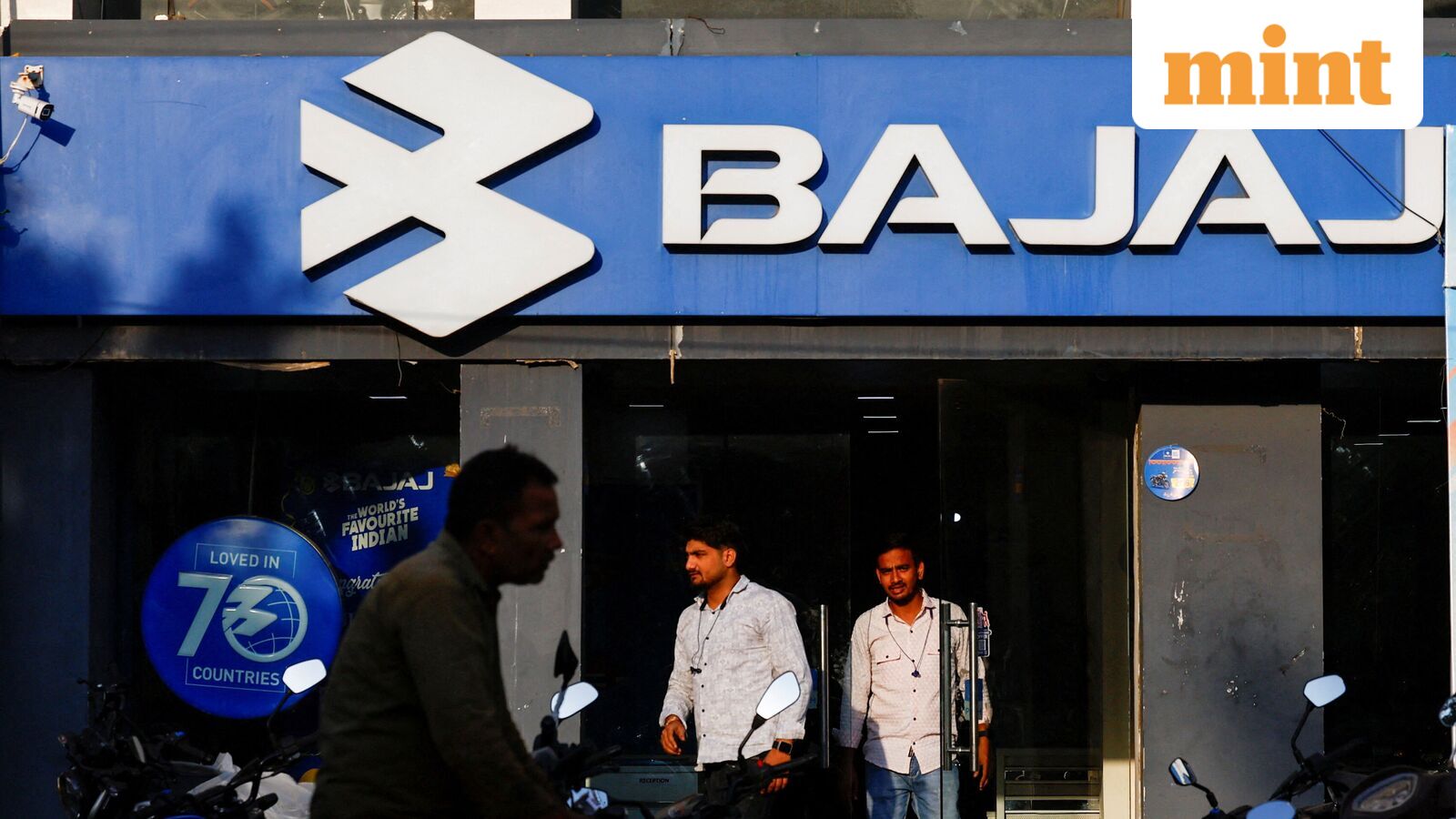
Bajaj Auto shares fell roughly 3% on Sunday, June 28, 2026, as the company's buyback record date arrived, with the stock opening at ₹9,838 against Tuesday's closing price of ₹10,025.
What Is a Buyback Record Date and Why Does It Cause a Price Drop?
A buyback record date is the cutoff day a company sets to identify which shareholders are eligible to tender their shares back to the company at a fixed buyback price. Investors who hold shares on this date qualify to participate in the offer.
The price drop around a record date is a routine market mechanic, not a sign of business distress. Once the record date passes, new buyers no longer qualify for the buyback, so the premium that was built into the share price to reflect buyback eligibility disappears. The stock typically adjusts downward to reflect that lost opportunity.
In Bajaj Auto's case, the shares opened at ₹9,838, a drop of roughly ₹187 or close to 3% from the previous close of ₹10,025 recorded on Tuesday.
What This Means for Shareholders
Eligible shareholders, those who held Bajaj Auto shares as of today's record date, can now tender their shares in the buyback at the announced offer price. Whether doing so is worthwhile depends on the gap between the buyback price and the current market price. If the buyback price is set above the current trading level, tendering makes financial sense; if it is below, shareholders are better off selling in the open market.
For investors who bought shares recently hoping to catch the buyback premium, today's decline reflects the natural unwinding of that trade. This is a standard pattern across Indian equity markets whenever a large-cap company approaches its buyback record date.
Bajaj Auto is one of India's largest two and three-wheeler manufacturers, and its buybacks have historically been sizeable events that attract both retail and institutional participation. The company's strong cash generation gives it the financial headroom to return capital to shareholders through these mechanisms.
The intraday decline does not change the company's underlying business or earnings trajectory. Investors watching the stock for medium-term positioning may treat the post-record-date adjustment as a cleaner entry point, once buyback-related price distortion settles.
What to watch next: the actual buyback acceptance ratio, which tells shareholders what fraction of their tendered shares the company will actually repurchase. A low acceptance ratio means most shares are returned to shareholders, limiting the effective yield of participating. That figure will emerge after the offer closes and the company announces the final settlement.