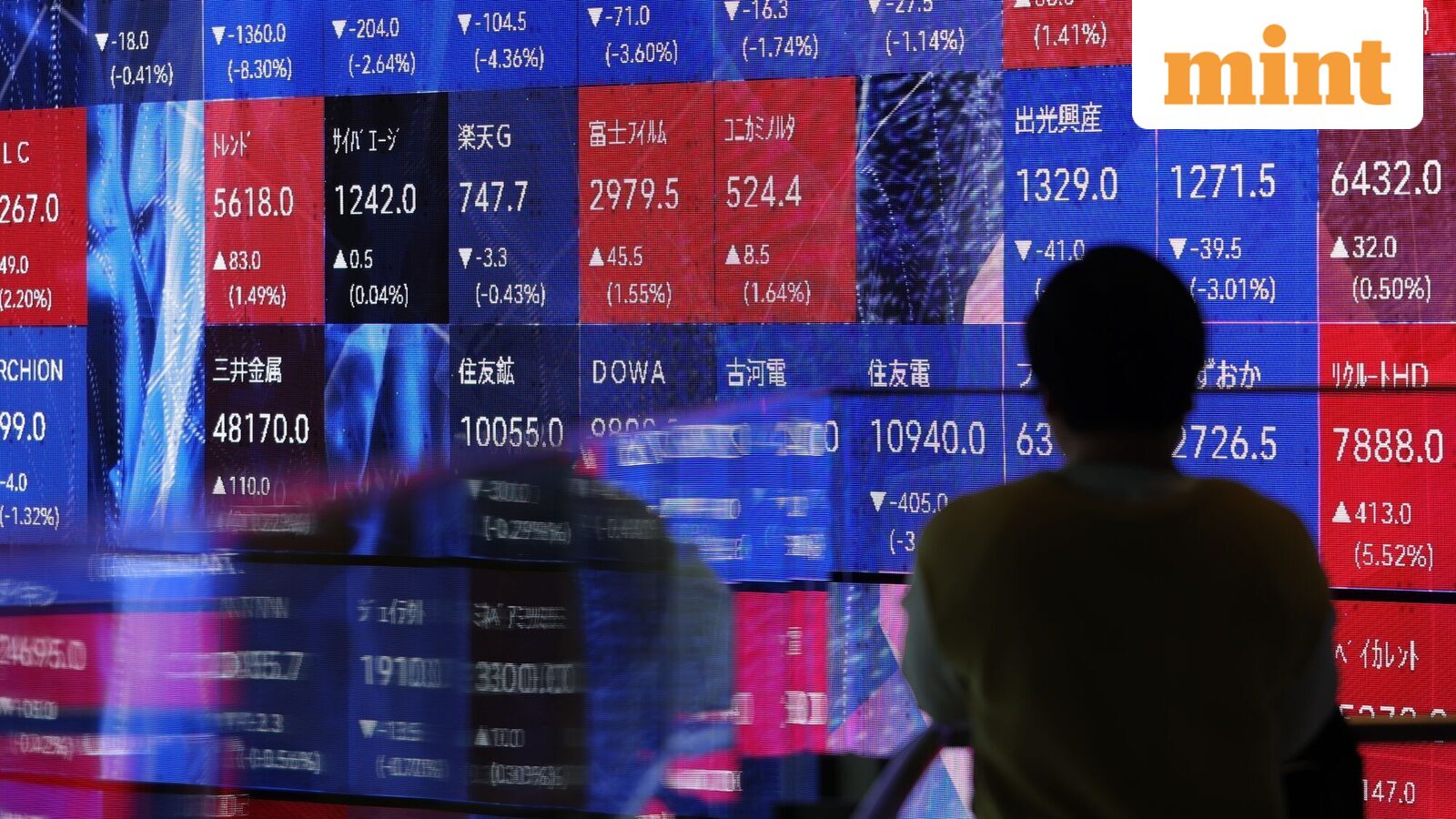
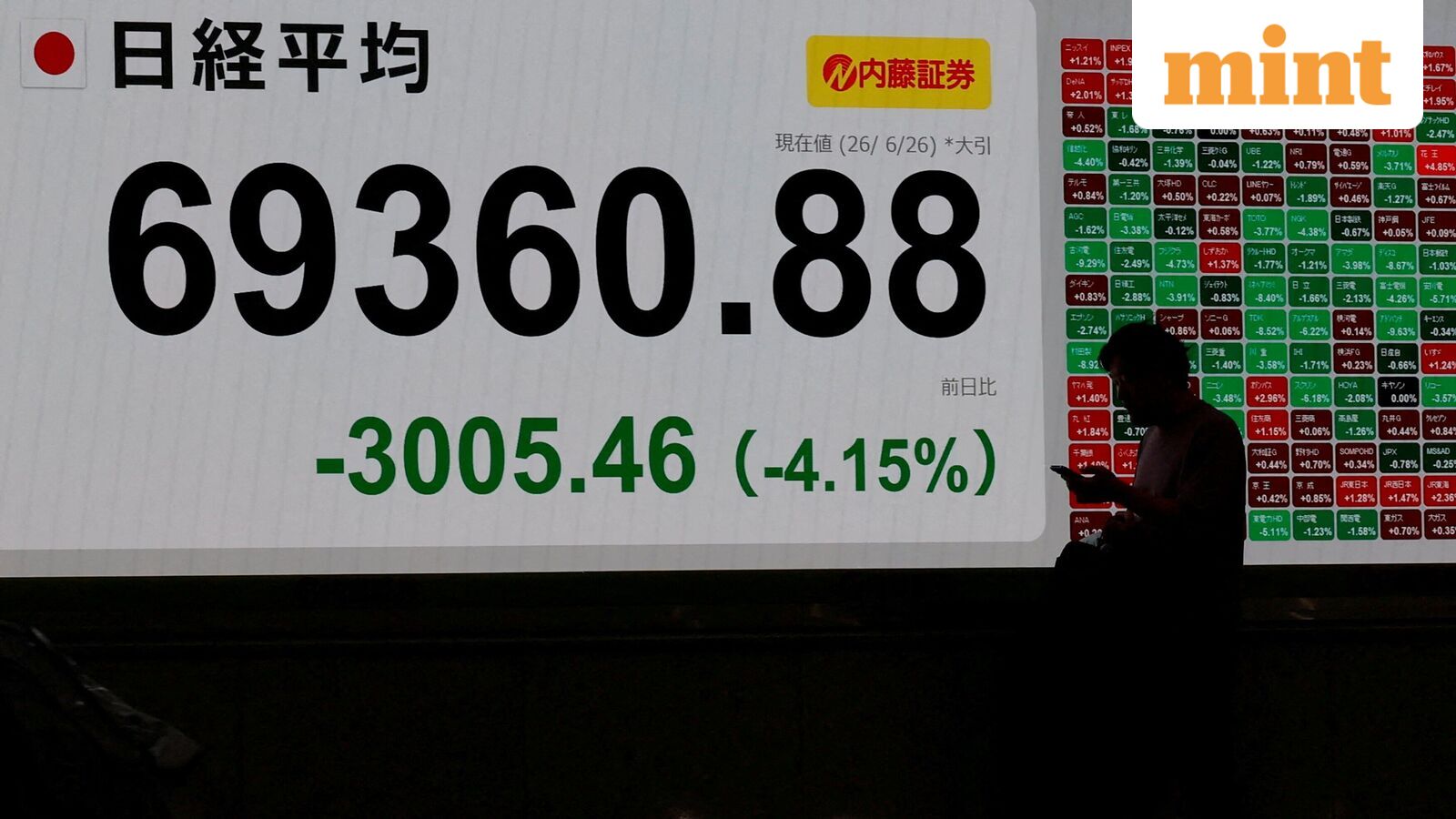
Asian equity markets traded in the red on July 19, 2026, as renewed tensions between the US and Iran rattled investor sentiment and pushed crude oil prices higher. Japan's Nikkei 225 fell 0.2% and the broader Topix index slipped 0.094%, while South Korea's Kospi dropped sharply by 2.47%. South Korea's small-cap Kosdaq bucked the trend, rising 0.98%.
The divergence between the Kospi and Kosdaq is notable. Large-cap South Korean stocks, which include energy-intensive manufacturers and exporters, tend to be more sensitive to oil price swings and geopolitical risk. Smaller domestic-focused companies on the Kosdaq can be more insulated from those pressures, which helps explain the split performance.
Japan's relatively modest decline suggests the market absorbed the news with some calm, though the Topix's broader softness confirms the selling was not confined to a handful of large-cap names. Japanese equities carry their own sensitivity to oil prices since Japan imports nearly all of its crude, meaning higher energy costs feed directly into corporate margins and household spending.
Why Rising Oil and US-Iran Tensions Matter to Asian Markets
When US-Iran tensions escalate, oil markets reprice quickly. The Strait of Hormuz, through which a significant share of global crude flows, sits at the center of any conflict scenario involving Iran. Even the threat of supply disruption is enough to lift oil futures, and Asia, as the world's largest net energy-importing region, absorbs that cost increase immediately.
Higher crude prices compress margins for manufacturers, raise freight and logistics costs, and increase inflation risk for central banks that are already managing growth concerns. For South Korea in particular, where the economy leans heavily on export-driven industries like semiconductors, shipbuilding, and petrochemicals, energy cost shocks can hit corporate earnings estimates quickly and trigger portfolio outflows from foreign investors.
The Kospi's 2.47% drop is sharp enough to suggest more than just routine profit-taking. That kind of move in a single session typically reflects a combination of forced selling, risk-off repositioning, and concerns about the earnings outlook for large industrial and energy-consuming firms.
What to Watch Next
The direction of oil prices in the coming days is the key variable. If crude holds at elevated levels or climbs further, expect continued pressure on energy-importing economies across Asia. A de-escalation in US-Iran diplomatic signals, on the other hand, could quickly reverse some of the risk premium priced into oil and ease the pressure on regional equities.
For Japan, watch how the yen behaves. A stronger yen, which often appears in risk-off environments, would add another layer of pressure on exporters already dealing with higher input costs. For South Korea, foreign investor flows into the Kospi will be a useful signal of whether this is a one-session reaction or the start of a broader repositioning.
Broader Asian market direction later in the week will also depend on any fresh statements from US or Iranian officials, crude inventory data, and how Wall Street responds when it opens. Geopolitical risk premiums in oil markets can fade fast when diplomacy resumes, but they can also compound quickly if the situation worsens.