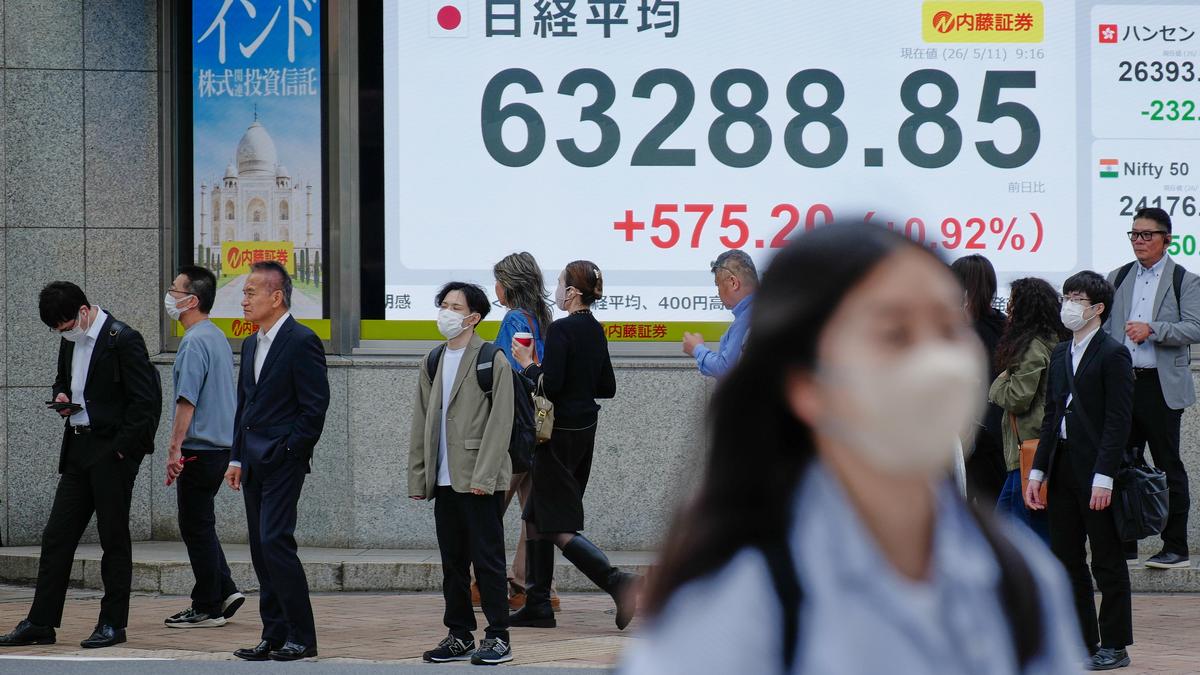
Asian equity markets traded mixed on Tuesday as oil prices surged more than 4% after U.S. President Donald Trump publicly rejected Iran's response to a proposed ceasefire, calling it "TOTALLY UNACCEPTABLE."
The sharp move in crude prices reflects how quickly Middle East tensions can reprice energy markets. When a U.S. president publicly dismisses a diplomatic exchange in those terms, traders read it as a signal that talks have broken down, or at least stalled badly, raising the risk of supply disruptions from one of the world's most oil-sensitive regions.
Why Oil Moved So Fast
Oil markets are structurally sensitive to any hint of conflict near the Persian Gulf, through which a significant share of global crude passes daily. A 4% single-session jump is not routine, it signals that traders are pricing in a meaningfully higher risk of either direct military action or tightened sanctions enforcement that could pull Iranian barrels off the market.
Iran is a significant oil producer. Any escalation that restricts its exports, or disrupts transit routes in the region, tightens global supply at a time when markets are already watching OPEC+ output decisions closely. The price move suggests the market is not treating this as routine diplomatic noise.
What It Means for Asian Markets
Asia's mixed session reflects a split reaction. Higher oil prices hurt energy-importing economies, most of Asia falls in this category, by raising fuel costs, widening trade deficits, and adding to inflation pressure. Japan, South Korea, India, and much of Southeast Asia import the bulk of their crude, so sustained elevated prices feed through to transport, manufacturing, and consumer costs.
At the same time, energy sector stocks in markets with oil producers or related industries can benefit from higher crude prices, creating the uneven trading picture seen across the region.
For India specifically, a sustained oil price rise is a direct macro concern. India imports around 85% of its crude needs, and a higher oil import bill widens the current account deficit, puts pressure on the rupee, and complicates the Reserve Bank of India's inflation management.
Watch for whether the U.S. and Iran resume any form of back-channel contact, how crude holds in the next 24-48 hours, and whether other major oil producers signal any intent to compensate for potential supply risk. Any fresh statement from Trump's team or Iranian officials will likely move energy markets again.