
Qatar Signals Progress in US-Iran War Talks
Qatar's foreign ministry said mediators including Qatar, Pakistan, and Oman have reached "very progressive stages" in efforts to end the US-Iran war, pushing Brent crude down more than four percent.
Key Takeaways
May 11, 2026 · 2 min read · By Rishabh Bhardwaj
·
AI-assisted, human-reviewed · Our editorial standards
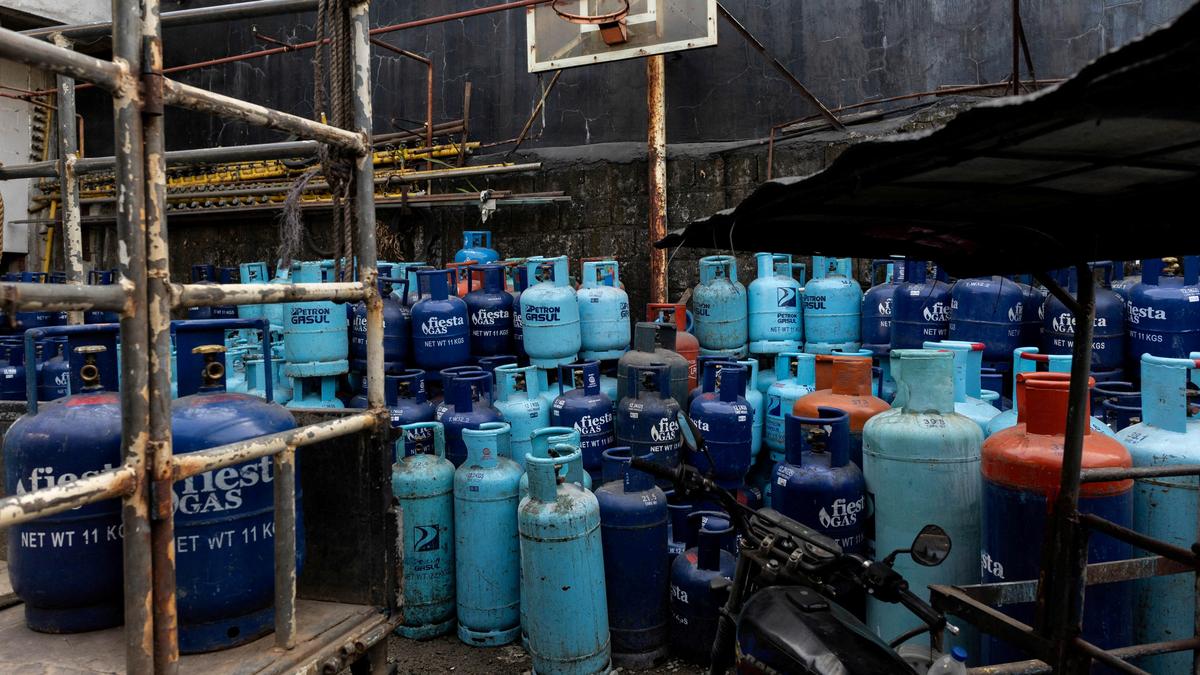
Asian governments are preparing for a second round of energy disruptions as conflict involving Iran threatens to squeeze oil and gas supplies through critical Middle East shipping routes. The region, which imports the bulk of its energy needs, is particularly exposed to any sustained disruption in flows from the Persian Gulf.
Policymakers across Asia are already making uncomfortable choices. Some governments are rationing power to households and businesses, slowing economic activity to prevent grid failures. Others are redirecting gas supplies to domestic consumers, which means fertiliser plants, which depend on natural gas as a feedstock, are running short. That threatens food production costs further down the supply chain.
Several countries have also been drawing down strategic energy stockpiles to cushion the immediate blow. That buys time, but it is a finite buffer: once reserves fall below certain levels, governments lose the flexibility to absorb further shocks without passing costs directly to consumers or industries.
Asia has limited domestic energy production relative to its consumption. The region relies heavily on oil and liquefied natural gas shipped through the Strait of Hormuz and adjacent waters. Any sustained military activity near Iran that disrupts tanker traffic, through sanctions enforcement, naval incidents, or outright blockade risk, raises both the price and the uncertainty of supply.
Fertiliser production is one of the clearest transmission points. Natural gas is the primary input for nitrogen-based fertilisers. When gas is redirected to households or power generation, fertiliser output drops, input costs for farmers rise, and food price pressure builds over subsequent growing seasons. That is a second-order effect from an energy shock that often takes months to show up in consumer prices, but it is well established and predictable.
Energy stockpile drawdowns compound the risk. Governments using reserves now will need to replenish them, likely at elevated prices, assuming markets stabilise. If the conflict extends or escalates, they may find themselves rebuilding at the worst time.
The immediate market watch points are oil prices, LNG spot rates in Asia, and the operational status of major tanker routes through the Gulf. Fertiliser commodity prices and regional power tariff adjustments are the next indicators to track as the situation develops.
Qatar's foreign ministry said mediators including Qatar, Pakistan, and Oman have reached "very progressive stages" in efforts to end the US-Iran war, pushing Brent crude down more than four percent.
Qatar confirmed it is mediating between the US and Iran but said no direct talks are currently planned. The clarification follows conflicting statements from President Trump, who claimed talks are under way, and Tehran, which denied any dialogue is happening.
Saudi Aramco reported sharply higher second-quarter 2026 profits as the Iran war restricts global oil supply and pushes crude prices up. Other oil supermajors also posted outsized earnings, raising concerns about sustained fuel cost pressure for importing economies.
President Trump called current Iran negotiations the "last chance" to end five months of conflict, pushing oil prices higher. Tehran denied formal talks are taking place, raising the risk of a diplomatic breakdown with direct consequences for global energy markets.