The next Federal Reserve chair will inherit a monetary policy environment already under strain before the Iran conflict introduced a new layer of supply-side pressure. Inflation had been re-accelerating, complicating the rate path and narrowing the operational space any incoming chair would have to maneuver. The timing is structurally awkward. A new Fed chair must establish credibility quickly, yet the dual mandate grows harder to balance when an external shock, war in a major oil-producing region, threatens to push energy prices higher while growth signals remain mixed. The incoming chair cannot easily cut rates to support the economy without risking a perception of capitulating on inflation, nor hold firm without absorbing political blowback from a White House historically sensitive to borrowing costs. The Iran conflict adds an energy price channel that central bank tools cannot directly address, meaning the new chair faces an inflation problem that is partly imported and partly demand-driven. Markets will price the credibility gap before the chair is even confirmed. Watch the confirmation timeline, any forward guidance language signaled during the transition, and oil price trajectory as the three variables most likely to define the new chair's opening position.
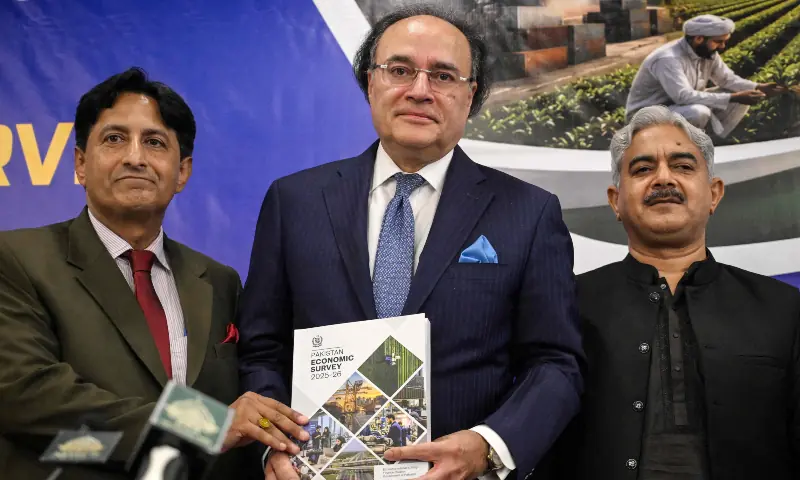
Pakistan's economy grew 3.7 percent in FY2026, its fastest rate in four years, according to the Pakistan Economic Survey presented by Finance Minister Muhammad Aurangzeb. Growth beat last year's 3.18 percent but missed the 4.2 percent target, with floods, regional conflict, and weaker food exports cited as key drags.
The Union government released an additional Rs 1,09,019 crore in tax devolution to states on August 1, 2026, separate from the regular monthly transfer. The lump-sum release aims to accelerate state capital spending in the July-September quarter, with Uttar Pradesh, Bihar, and Madhya Pradesh among the top recipients.
US mortgage rates have risen to a one-year high as markets weigh Federal Reserve rate uncertainty and Middle East conflict-driven inflation fears. Higher rates increase monthly payments for new buyers and are likely to further suppress housing market activity and refinancing.
Pakistan's Sensitive Price Index rose 13.52 percent year on year for the week ending July 2, 2026, marking 45 consecutive weeks of annual gains. Electricity up 49 percent, wheat flour up 68 percent, and LPG up 44 percent year on year are the main drivers.