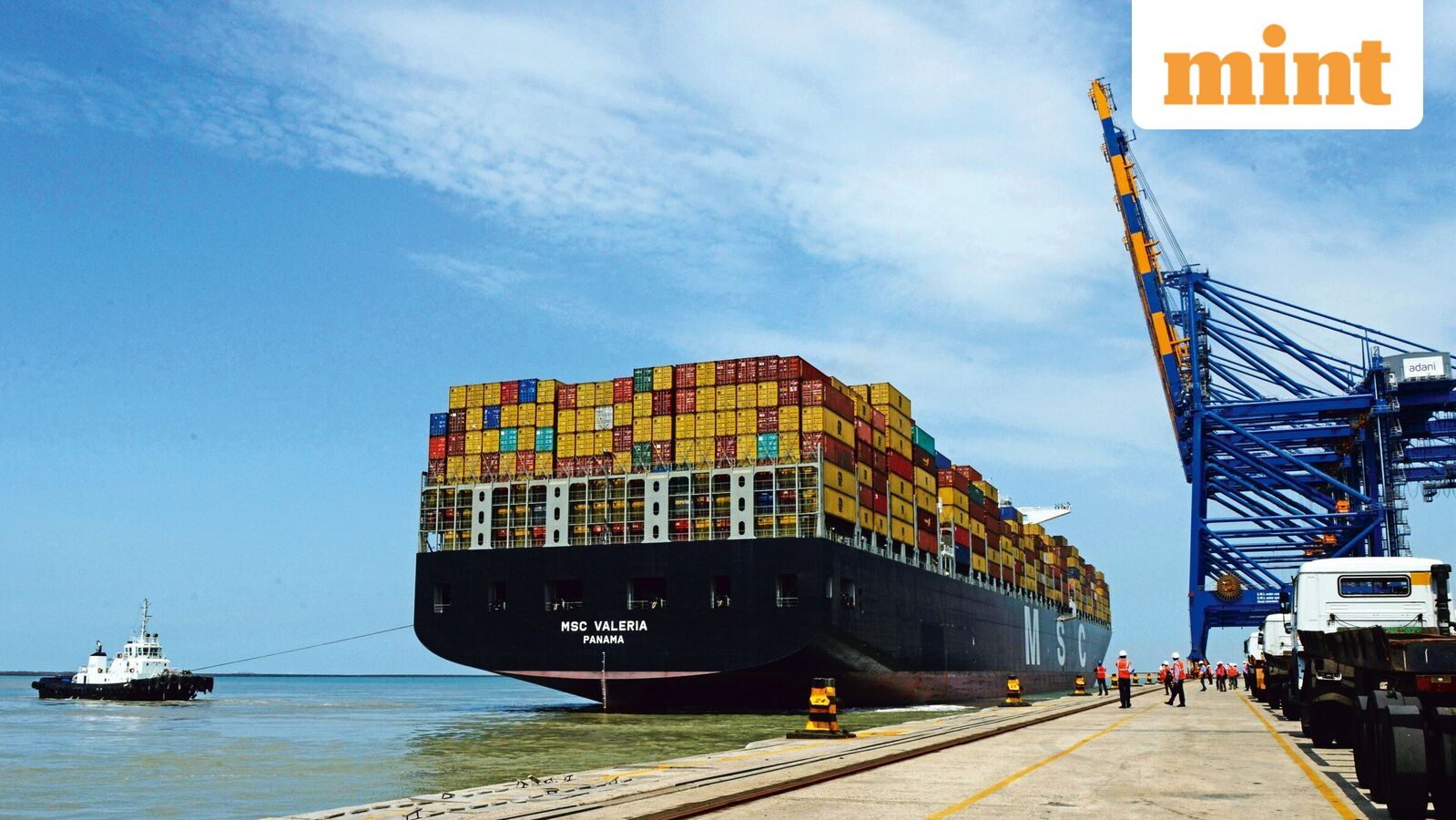
Adani Ports and Special Economic Zone has secured a 10-year marine services contract tied to Argentina's first liquefied natural gas (LNG) export project. The deal puts the Indian port operator at the center of a significant new energy export corridor in South America.
LNG export projects require specialized marine support, including vessel traffic management, pilotage, mooring, and towage services. A 10-year contract suggests the Argentine project developers have committed to Adani Ports as a long-term operational partner, not just a construction-phase vendor. That kind of tenure provides predictable revenue and a foothold in a market where energy infrastructure spending is accelerating.
Argentina is building out its LNG export capacity to monetize its vast Vaca Muerta shale gas reserves, one of the largest unconventional gas formations in the world. Winning the marine services mandate for the country's first LNG export terminal positions Adani Ports to compete for further work as Argentina's energy export ambitions grow.
Why This Contract Matters
For Adani Ports, the Argentina deal is a concrete sign that its international expansion strategy is producing results. The company has been extending its footprint beyond India across ports and logistics hubs in Africa, Southeast Asia, and now South America. Each international contract reduces dependence on domestic traffic cycles and diversifies the revenue base across geographies and currencies.
Marine services for LNG terminals are also high-value, technically demanding work. LNG carriers are among the largest and most complex vessels afloat, and the safety requirements for LNG handling are stringent. Winning this mandate signals that Adani Ports has the operational credentials to compete for premium international contracts, not just volume-driven general cargo work.
From a market perspective, the stock has already shown strong momentum. Over the past year, Adani Ports shares are up 24%. Over three years, they have gained 148%. On a 10-year view, the stock has surged 780%, reflecting the company's transformation from a single-port operator in Gujarat into one of the largest integrated ports and logistics businesses in Asia.
What to Watch Next
The immediate question is the contract's financial scale. The revenue contribution from a marine services agreement will depend on the volume of LNG shipments, the scope of services covered, and whether the contract includes performance-linked components. Those details have not been disclosed.
Investors will also watch whether this contract opens doors to equity participation or broader infrastructure roles in the Argentine project. Marine services can serve as an entry point: operators who prove their capability at a terminal often get first consideration when project owners look to expand or add services.
More broadly, the deal fits a pattern of Indian infrastructure companies winning overseas mandates in energy and logistics. As global LNG trade grows, driven by European demand for alternatives to Russian pipeline gas and Asian demand for cleaner fuel, the ports and terminals that support LNG export will see sustained activity for years. Adani Ports has now placed itself inside one of those supply chains at the ground floor.
The stock is likely to stay in focus in the near term as analysts assess what the contract adds to the company's international order book and long-term earnings visibility.