Finance Minister Nirmala Sitharaman warned that a single successful cyberattack on financial infrastructure could disrupt markets at a national scale, erase wealth, and shake public confidence. The remarks signal growing official concern about digital vulnerabilities in India's financial system as cyber threats evolve in speed and sophistication. Sitharaman specifically flagged AI-powered tools as the driver of this escalating risk, saying they make cyberattacks faster, more adaptive, scalable, and in some cases capable of running without human direction. That last point matters: autonomous attacks can move and mutate faster than traditional defenses respond. For financial institutions, this is a compliance and operational signal. Regulators are watching, and the Finance Minister's public framing of systemic cyber risk suggests policy responses, tighter mandates, stress tests, or reporting rules, could follow. Watch for follow-up action from RBI or SEBI on cybersecurity guidelines for banks, brokers, and market infrastructure providers. Firms that have underinvested in cyber resilience face growing regulatory and reputational exposure.
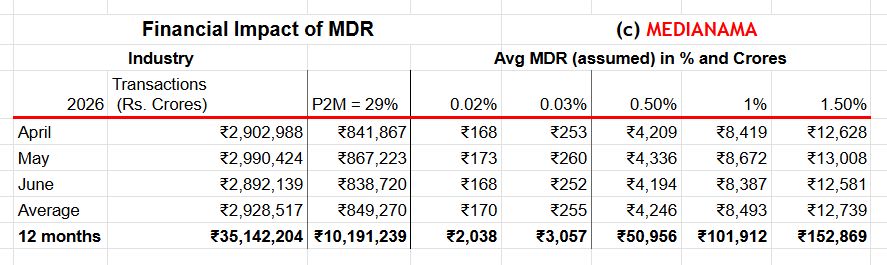
India's government plans to amend the Payment and Settlement Systems Act to restore UPI merchant discount rates, ending the zero-MDR regime in place since January 2020.
India's government has introduced the Taxation and Other Laws (Amendment) Bill, 2026, proposing changes to payments regulation, income tax, and the Finance Act to attract FDI and support Make in India. The Bill's final shape will depend on parliamentary debate and committee review.
The government's Taxation and Other Laws (Amendment) Bill, 2026, proposes to replace the blanket UPI MDR ban with a system allowing the Centre to notify which payment modes stay fee-free.
Prime Minister Narendra Modi inaugurated the Rs 5,000 crore Bhogapuram greenfield airport in Andhra Pradesh, built under a public-private partnership model. He also laid foundation stones for infrastructure projects worth nearly Rs 18,000 crore in the state, signalling a broad investment push for the region.