Ten of the 26 Indians who petitioned the Supreme Court over being stranded in the Russia-Ukraine war zone have died, the government told the court. Additional Solicitor General Aishwarya Bhati informed the bench that these 26 petitioners were part of a larger group of 215 Indians who had travelled to Russia. The government's statement draws a line between two distinct groups: some went voluntarily, fully aware they would be joining the conflict, while others were deceived into going, likely lured under false pretences of regular employment or other opportunities. The distinction matters because it shapes what legal remedy or government intervention each person's family can seek. The court is now effectively dealing with a casualty count, not just a rescue petition. What to watch: whether the Supreme Court directs the government to take specific steps to bring back surviving individuals, and whether those who were duped receive any separate legal relief or compensation from authorities.
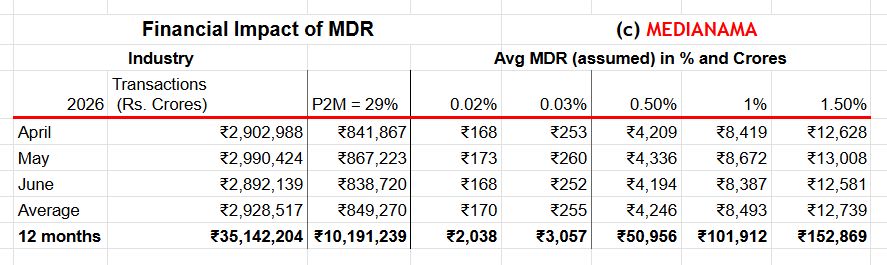
India's government plans to amend the Payment and Settlement Systems Act to restore UPI merchant discount rates, ending the zero-MDR regime in place since January 2020.
India's government has introduced the Taxation and Other Laws (Amendment) Bill, 2026, proposing changes to payments regulation, income tax, and the Finance Act to attract FDI and support Make in India. The Bill's final shape will depend on parliamentary debate and committee review.
The government's Taxation and Other Laws (Amendment) Bill, 2026, proposes to replace the blanket UPI MDR ban with a system allowing the Centre to notify which payment modes stay fee-free.
Prime Minister Narendra Modi inaugurated the Rs 5,000 crore Bhogapuram greenfield airport in Andhra Pradesh, built under a public-private partnership model. He also laid foundation stones for infrastructure projects worth nearly Rs 18,000 crore in the state, signalling a broad investment push for the region.